A customer returns a brand-new winter coat to your Miami store in November. It’s in perfect condition, but the chances of it selling in a tropical climate are slim to none. Traditionally, this high-value item would sit in the backroom, eventually facing a steep markdown or liquidation, eating into your profit margin. But what if that coat could be automatically identified as a perfect match for your Boston store, where demand is high and a stockout is imminent? This is no longer a logistical fantasy. It’s the reality of managing inter-store transfers with artificial intelligence.
The retail industry faces a staggering challenge with customer returns. This process, known as reverse logistics, is often viewed as a costly headache rather than an opportunity. Without an intelligent system to manage the flow of returned goods, retailers lose billions in potential revenue. By leaving these decisions to guesswork or outdated manual processes, perfectly good inventory ends up in the wrong place at the wrong time, losing value every day. AI changes this dynamic entirely, turning the returns process from a cost center into a powerful value recovery engine.
The costly problem with traditional returns management
When a customer returns an item, a complex and expensive journey begins. For multi store retailers, the default action is often to put the item back on the shelf of the store where it was returned. This simple approach fails to consider a crucial question: is this the best location to resell this specific item? A manual approach to answering this is nearly impossible at scale.
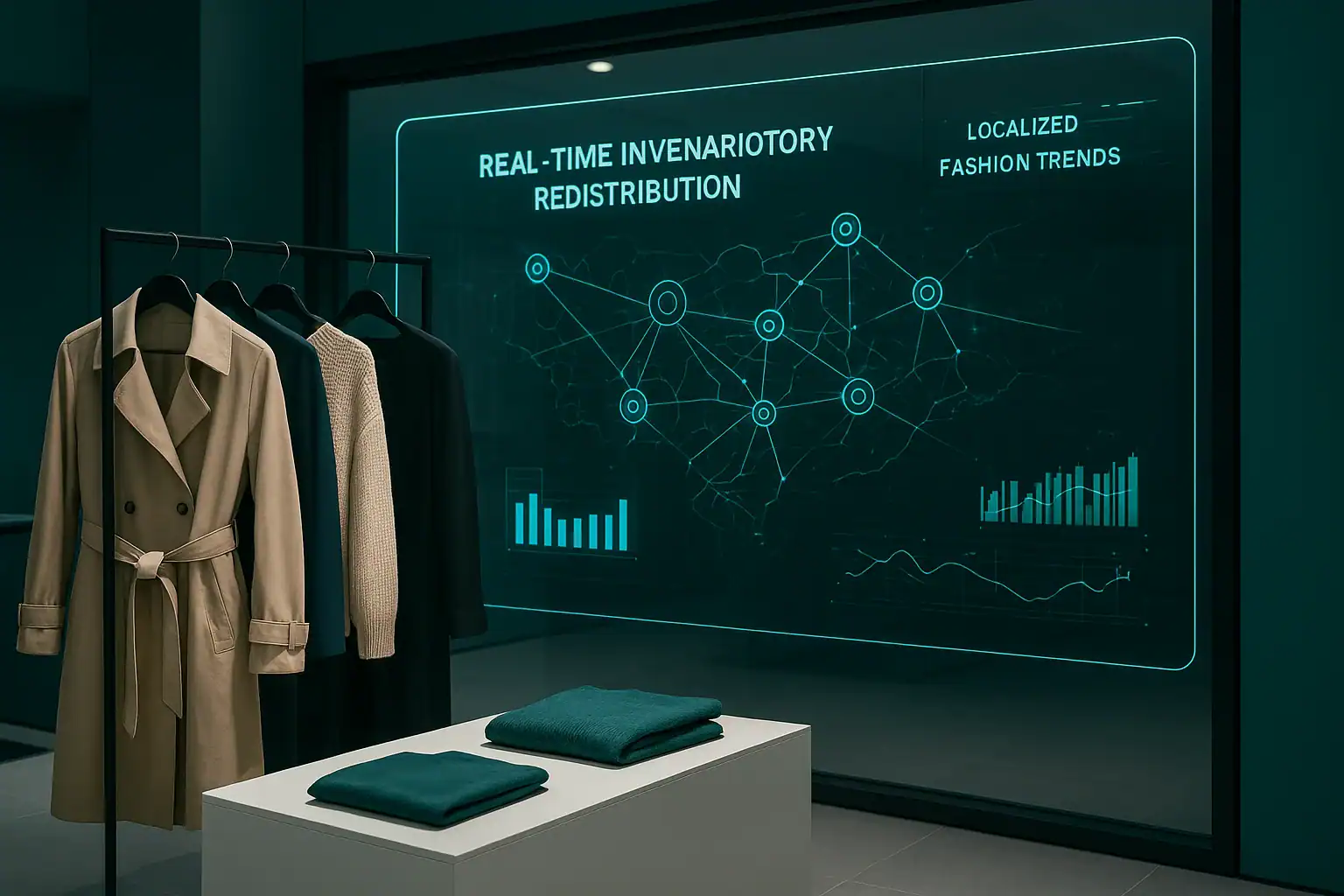
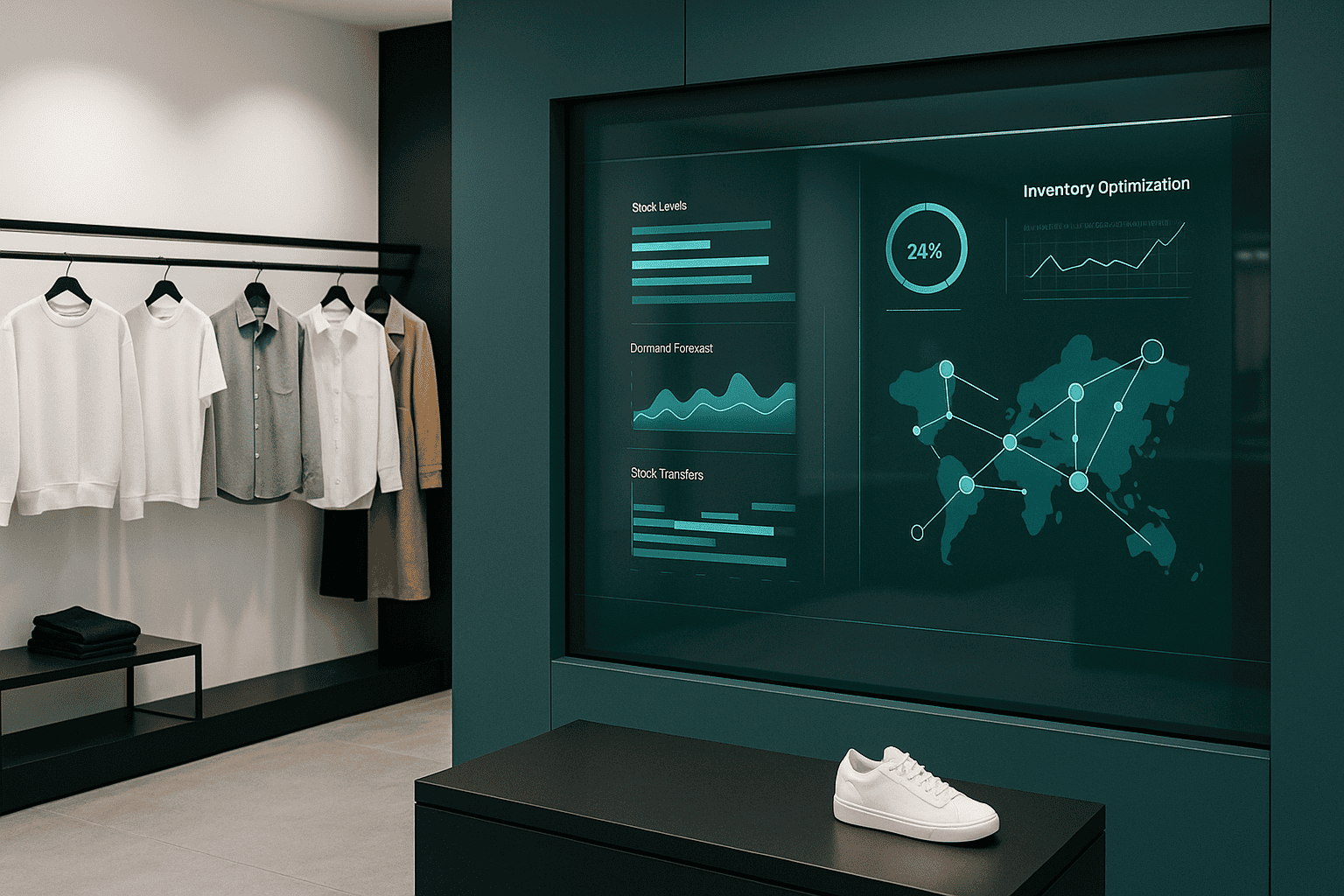
This leads to significant inefficiencies that directly impact profitability. The core issue is a mismatch between supply (the returned item) and demand. While your Miami store has an unwanted winter coat, your Boston store might be selling out of that exact size and color. Traditional methods lack the visibility and analytical power to connect these dots in real time, leading to lost sales in one location and unnecessary markdowns in another. An effective AI returns management solution is needed to bridge this gap.
How AI makes inter store transfers intelligent
Agentic AI systems go beyond simple automation. They analyze vast amounts of data to make strategic, autonomous decisions that optimize for profitability and efficiency. Instead of following rigid, predefined rules, AI learns from real time data to route each returned item to its optimal destination, ensuring it has the highest possible chance of being resold at full price.
This process involves several interconnected AI capabilities working together seamlessly.
Predicting demand with precision
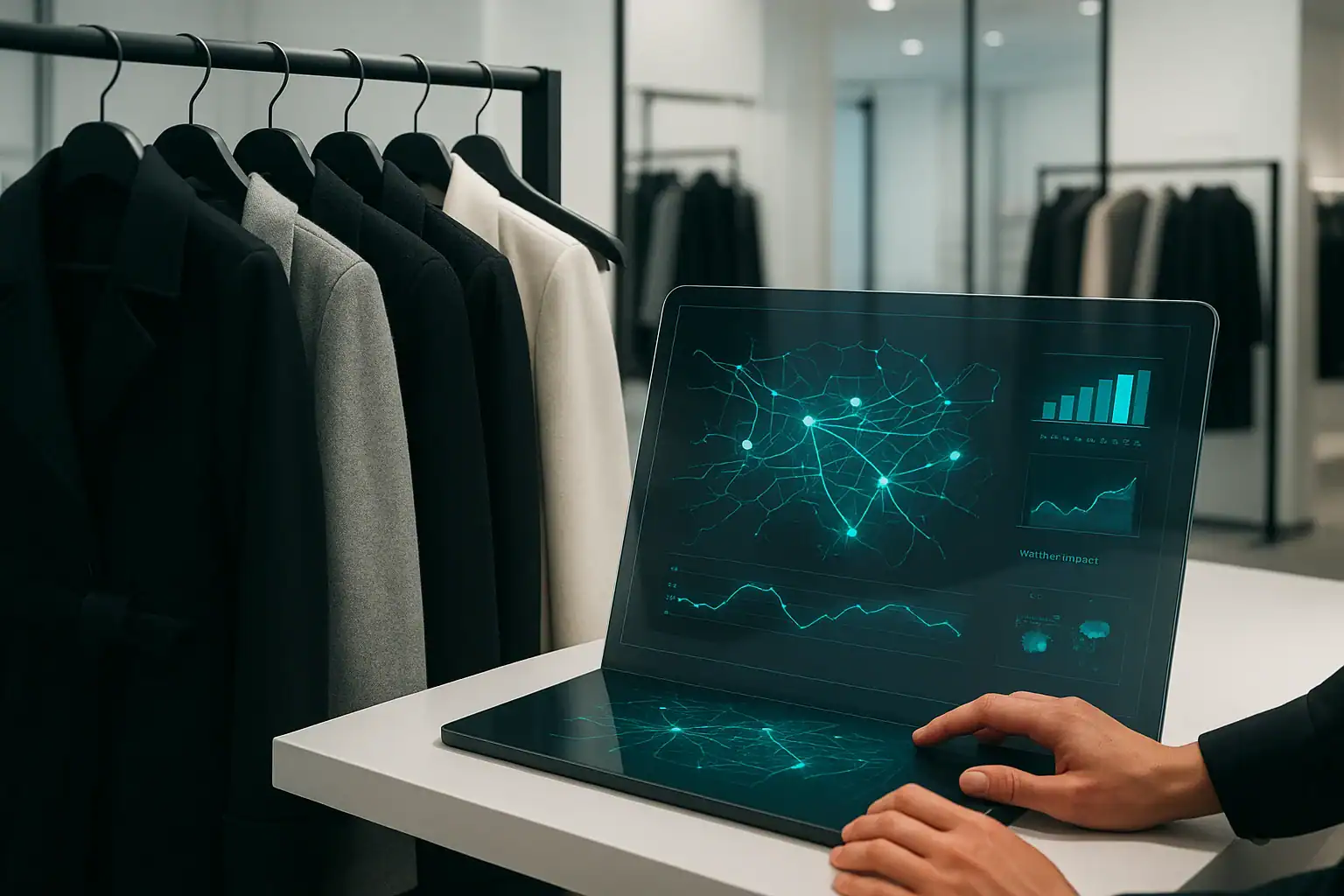
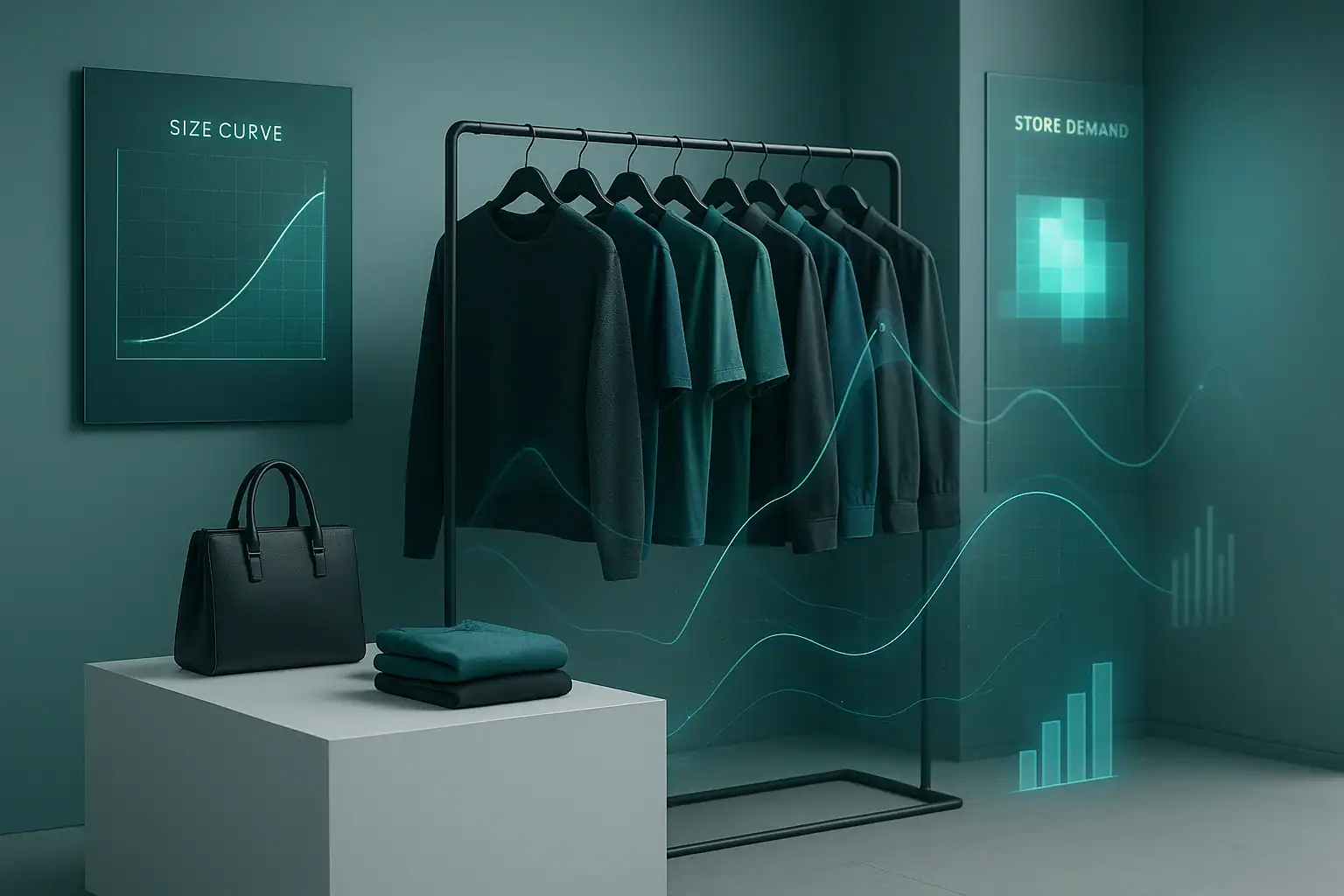
Before deciding where to send a returned item, you must know where it’s most wanted. AI excels at this by analyzing historical sales data, local market trends, weather patterns, and even upcoming events. This deep dive into predictive merchandising analytics allows the system to forecast demand for a specific SKU in every single store location. It can identify that the winter coat returned in Miami has a 90% chance of selling within a week in Boston, making the transfer a clear and profitable decision.
Smart intake and condition assessment
Not all returns are in perfect condition. AI can streamline the inspection process using technologies like computer vision to quickly assess an item’s quality. By analyzing images of the returned product, the system can help determine if it is in sellable condition, requires minor repairs, or should be routed to a different channel like an outlet or recycling partner. This automated assessment speeds up processing and ensures only high quality merchandise is considered for inter store transfers.
The intelligent routing decision
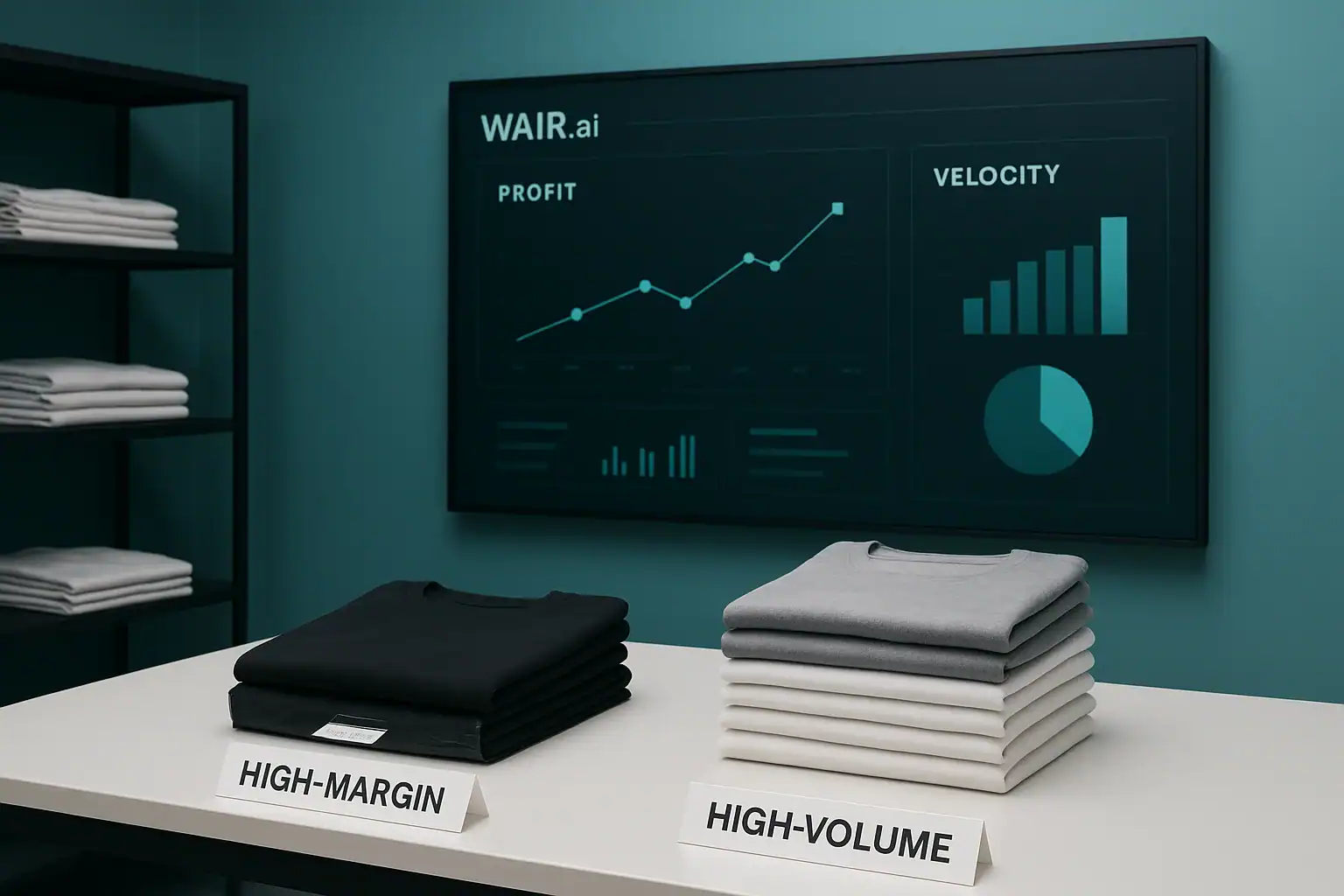
This is where the magic happens. Once an item is returned and assessed, the AI evaluates multiple factors simultaneously to determine its next best home. It’s not just about demand, it’s about profitability. The AI calculates the potential margin of selling the item in another store versus the cost of shipping it there. This dynamic AI-driven stock balancing ensures that transfers only happen when they make financial sense, transforming logistics from a cost into an investment.
The business impact of AI driven transfers
Adopting an AI first approach to managing returned merchandise delivers tangible benefits that extend across the entire retail operation. By optimizing the placement of every returned item, businesses can unlock significant value that was previously trapped in inefficient processes. This strategic shift moves beyond merely managing returns to actively recovering revenue.
The key advantages of implementing AI for inter store transfers of returns.
By moving items to locations with proven demand, you drastically increase the likelihood of selling them at or near full price, avoiding costly markdowns.
- Reduced waste and improved sustainability:
Intelligent routing prevents perfectly good products from being prematurely liquidated or discarded, contributing to a more sustainable and circular retail model.
- Improved inventory health across all stores:
Ensuring each store has the right mix of products prevents both overstock situations and costly stockouts, leading to a better customer experience and higher overall sales.
- Increased operational efficiency:
Automating the complex decision making process frees up store associates and logistics teams to focus on higher value tasks instead of manual analysis and guesswork.
Unlocking the hidden value in every return
The conversation around customer returns is shifting. What was once seen as an unavoidable cost of doing business is now being recognized as a reservoir of untapped value. The key to unlocking this value lies in treating each returned item not as a problem to be solved but as an asset to be strategically redeployed. Agentic AI provides the intelligence and agility needed to make this happen.
By implementing an AI driven strategy for inter store transfers, retailers can systematically improve retail AI performance and turn their reverse logistics into a competitive advantage. This approach ensures that every product, even one that has been returned, has the best possible opportunity to find a customer, maximizing profitability and minimizing waste in the process.
Frequently asked questions
Q: What is AI in reverse logistics?
A: In reverse logistics, AI refers to the use of artificial intelligence technologies to manage the process of customer returns. This includes predicting return volumes, assessing the condition of returned items, and making intelligent decisions about where to send those items, such as to another store, a distribution center, or a liquidation channel, to maximize their resale value.
Q: How does AI decide where to send a returned item?
A: AI analyzes multiple data points in real time to make an optimal routing decision. These factors include historical and forecasted demand for the item in every store location, current inventory levels, the potential profit margin, and the logistical costs associated with transferring the item. It weighs these variables to find the destination that offers the highest probability of a quick, full price sale.
Q: What kind of data is needed for an AI system to manage returns?
A: For an AI to effectively manage inter store transfers of returns, it typically needs access to several key data sets. This includes historical sales data, real time inventory levels for all locations, product information (SKU, size, color), return data (reasons, conditions), and logistics costs (shipping, handling). The more comprehensive the data, the more accurate and profitable the AI’s decisions will be.