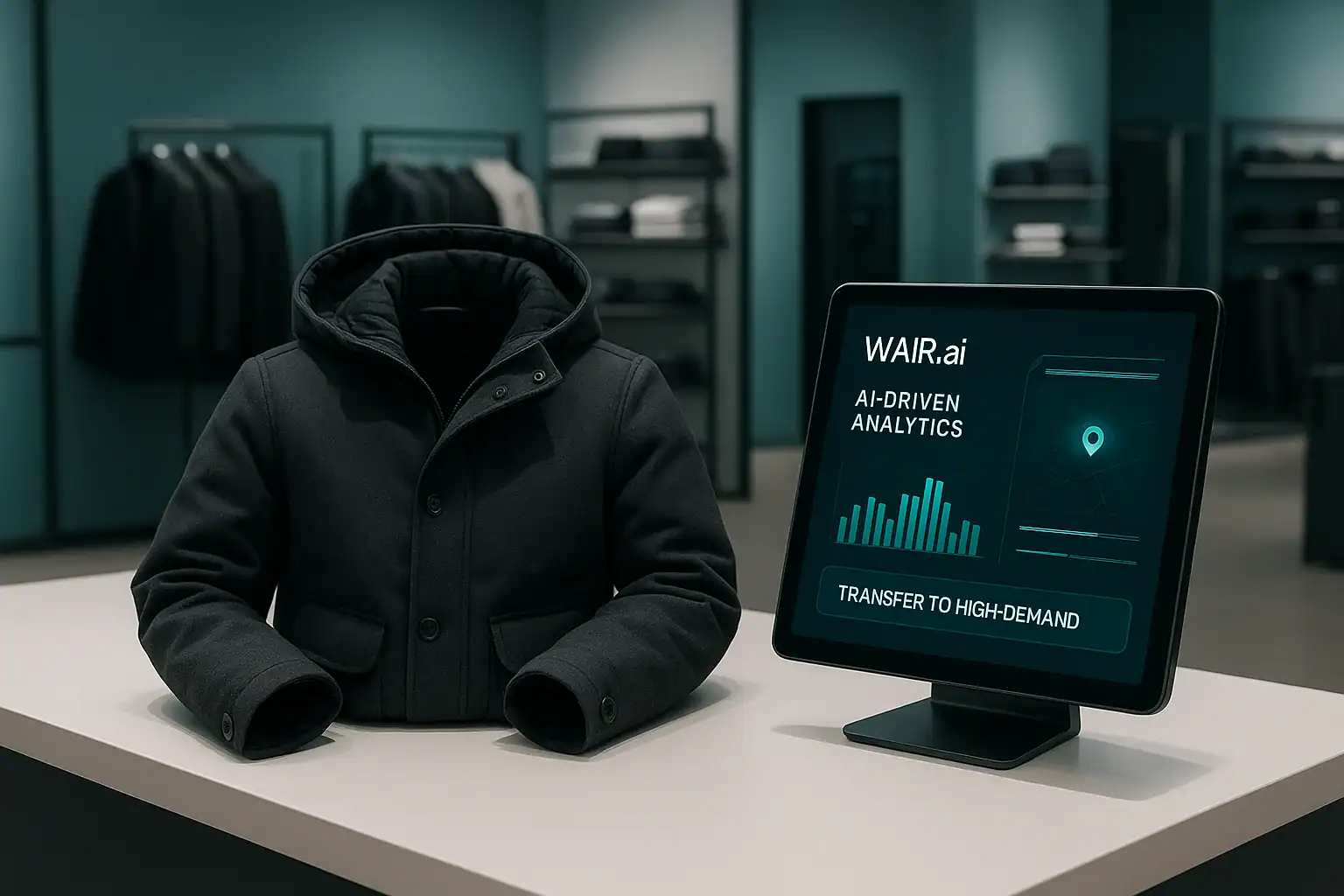
Imagine this scenario, your downtown store is completely sold out of a best-selling jacket, while your suburban location has a full-size run sitting untouched. A customer who wants that jacket is leaving your downtown store empty-handed. Meanwhile, the clock is ticking on the excess stock in the suburbs, pushing it closer to a markdown. Arranging a transfer seems like the obvious solution, but the costs of shipping, the time it takes, and the manual effort involved often make it feel like a losing battle. This daily struggle of balancing inventory is where logistics costs quietly eat away at profits.
For years, retailers have treated inter store transfers as a necessary but expensive evil. But what if you could transform this cost center into a strategic advantage? A new approach, driven by agentic AI, is not just about finding slightly better routes,it is about completely reimagining how stock moves through your network, turning logistics into a dynamic, profit generating part of your business.
Understanding agentic AI in retail logistics
Before diving into how it slashes costs, it is crucial to understand what makes agentic AI different. Unlike traditional AI that might analyze data and suggest a course of action, an agentic AI system has the autonomy to both decide and act. Think of it like the difference between a GPS app that suggests the best route and a self-driving car that actually takes you there.
This ability to execute decisions is a game changer for retail. Instead of presenting a logistics manager with a list of potential transfers, an agentic AI identifies the need, calculates the most cost effective shipping route, considers carrier rates and delivery times, and executes the transfer order automatically. This proactive approach ensures that your inventory is always working as hard as possible, no matter which store it is in. It is a key part of understanding how do agentic systems reduce operational costs in online retail and physical stores alike.
The blueprint for cost optimized retail transfers
Agentic AI uses a multi-layered strategy to dismantle the high costs associated with traditional transfer logistics. It moves beyond simple A to B routing and creates a dynamic, intelligent system that constantly optimizes for profitability and efficiency.
Here is how it breaks down the problem to deliver significant savings.
Calculating optimal transfer routes and batches
An AI agent analyzes a vast array of real time data points that a human planner could never process simultaneously. This includes live traffic data, weather forecasts, carrier shipping rates, fuel costs, and individual store operating hours. By considering all these variables, it determines the most efficient path for every transfer. It also strategically batches shipments, combining multiple single item transfers into one consolidated, cost effective delivery, drastically reducing the cost per item moved.
Automating transfer order generation
One of the biggest drains on resources is the manual process of identifying transfer needs and creating orders. Agentic AI completely automates this. By monitoring sales velocity and inventory levels across all locations, the AI can predict when a store is at risk of a stockout. It then autonomously generates the transfer order from the most logical source store, ensuring stock moves before a sale is ever lost. This use of predictive AI cross store transfers keeps inventory fluid and responsive to real time demand.
Proactive inventory balancing
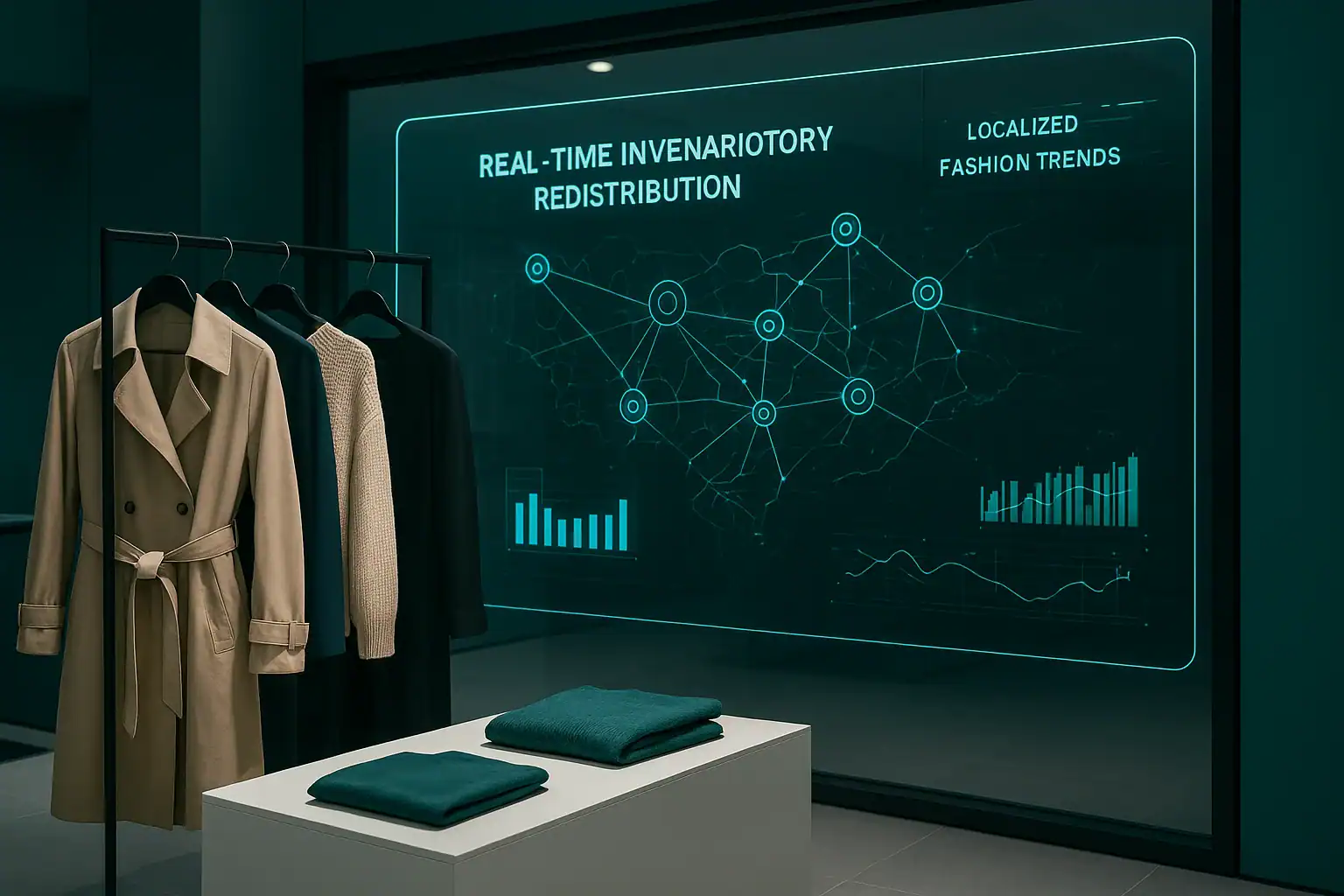
The most advanced capability of agentic AI is its ability to think ahead. Instead of just reacting to current inventory levels, it uses predictive analytics to anticipate future demand patterns. This allows for strategic AI driven inventory imbalance redistribution, moving products to locations where they are most likely to sell at full price. This proactive balancing act minimizes the need for last minute, expensive express shipments and reduces the risk of deadstock accumulating in any single location.
Bringing agentic AI into your operations
Integrating a powerful new technology can seem daunting, but a modern approach focuses on seamless adoption and collaboration rather than a complete overhaul. Success hinges on preparing your data, ensuring smooth system integration, and empowering your team.
A crucial first step involves a deep dive into implementing scaling agentic AI retail strategies that fit your unique operational landscape. The goal is to build a system that works with your existing infrastructure to enhance decision making, not replace it entirely.
Key considerations for implementation
Successfully deploying agentic AI requires a thoughtful approach to data, technology, and people. It is not just about flipping a switch, it is about building a foundation for smarter, automated logistics.
Your AI system needs high quality data, including historical sales, current inventory levels, store locations, and carrier performance metrics, to make optimal decisions.
Modern agentic AI solutions are designed to integrate with your existing Warehouse Management Systems (WMS) and Transportation Management Systems (TMS) to create a unified ecosystem.
- Human and AI collaboration:
The technology empowers your logistics team by automating repetitive tasks, allowing them to focus on strategic oversight and exception handling.
Measuring the real world impact
The true measure of any technology is its return on investment. With agentic AI, the impact on your bottom line is both direct and measurable. The savings are not just theoretical, they show up in your weekly and monthly financial reports.
Beyond the obvious reduction in shipping expenditures, the value extends to improved inventory health and sales performance. By ensuring the right product is in the right place at the right time, you increase full price sell-through and reduce the need for costly end of season markdowns. A clear framework for calculating retail AI ROI helps quantify these benefits, demonstrating how optimized logistics directly contributes to margin growth and overall profitability.
Turn transfer logistics into your profit engine
Moving stock between stores should not be a burden on your budget. With agentic AI, it becomes a strategic tool for maximizing the value of every piece of inventory in your network. By automating complex decisions and executing them with precision, this technology optimizes routes, cuts transportation costs, and ensures your products are always positioned to meet customer demand.
This shift transforms logistics from a reactive cost center into a proactive profit engine, giving you a powerful competitive advantage in an increasingly complex retail environment. The result is a more efficient, resilient, and profitable supply chain ready for the future. Ready to discuss how we can balance your inventory using AI? Schedule a meeting with our experts.
Frequently asked questions
Q: What is AI route optimization in retail?
A: AI route optimization in retail is the use of artificial intelligence to determine the most efficient and cost effective paths for transporting goods, including cross store inventory transfers. It analyzes variables like traffic, carrier costs, and delivery windows to minimize expenses and transit time.
Q: How does agentic AI differ from traditional logistics software?
A: Traditional logistics software often requires significant human input to analyze data and execute tasks. Agentic AI is autonomous; it not only analyzes data and recommends actions but also has the authority to execute those decisions, such as automatically generating and dispatching a transfer order.
Q: What specific data is needed for AI to optimize transfer routes?
A: For optimal performance, the AI needs access to real time and historical data, including inventory levels per store, sales velocity, store locations, carrier rates, delivery schedules, live traffic information, and even weather forecasts that could impact transit.
Q: Can agentic systems reduce operational costs in online retail and physical stores?
A: Yes, agentic AI is designed to reduce operational costs across all channels. For physical stores, it optimizes inter store transfers and replenishment. For online retail, it can optimize fulfillment from the most cost effective location, whether that is a warehouse or a nearby store, reducing shipping costs and delivery times.