Every fashion retailer knows the feeling. The new spring collection is arriving, but the backroom is still crowded with winter coats that didn’t sell, now destined for a deep discount. This cycle of overstock and markdown is more than just a headache, it’s a massive financial drain. In fact, the global cost of this inventory distortion, which includes overstock and stockouts, is a staggering $1.77 trillion problem.
For decades, managing seasonal inventory has been a high stakes balancing act based on historical sales data and educated guesses. But what if you could move inventory with the precision of a chess master, anticipating demand before it happens and shifting products to where they will sell at full price? This is no longer a futuristic concept. It’s the reality that artificial intelligence brings to seasonal redistribution.
The seasonal inventory tightrope walking without a net
Traditionally, each retail store has operated like an island. A merchandiser allocates stock at the start of the season, and from that point on, each location is largely on its own. If a particular style of boots sells out in one city but gathers dust in another, the primary solution is to mark it down. This siloed approach creates a cascade of problems.
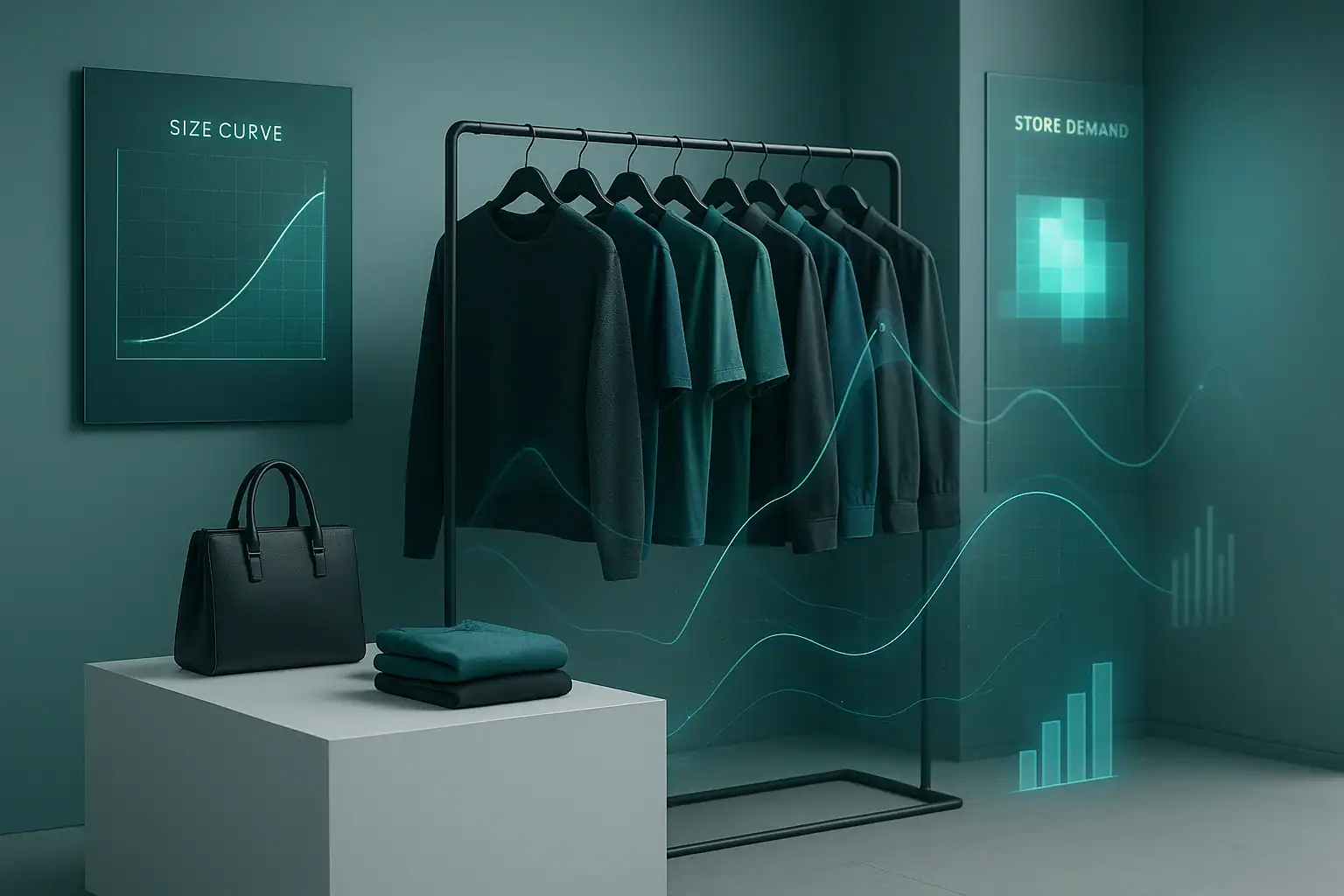
Retailers often struggle with inaccurate size curve predictions, leading to a surplus of extra smalls in one store and a shortage in another. A lack of real time visibility means a store manager might not realize a neighboring location is desperate for the exact product they have in excess. The result is lost sales, eroded profit margins, and a frustrating experience for customers who can’t find what they want. It’s a reactive system that constantly plays catch up.
A smarter way to manage the season AI powered redistribution
Instead of treating each store as an isolated unit, AI views your entire retail network as a single, interconnected ecosystem. It acts as a central nervous system, constantly monitoring sales, demand signals, and stock levels to maintain a healthy equilibrium. This proactive approach is built on a few core concepts that fundamentally change how inventory is managed.
What is AI driven stock balancing
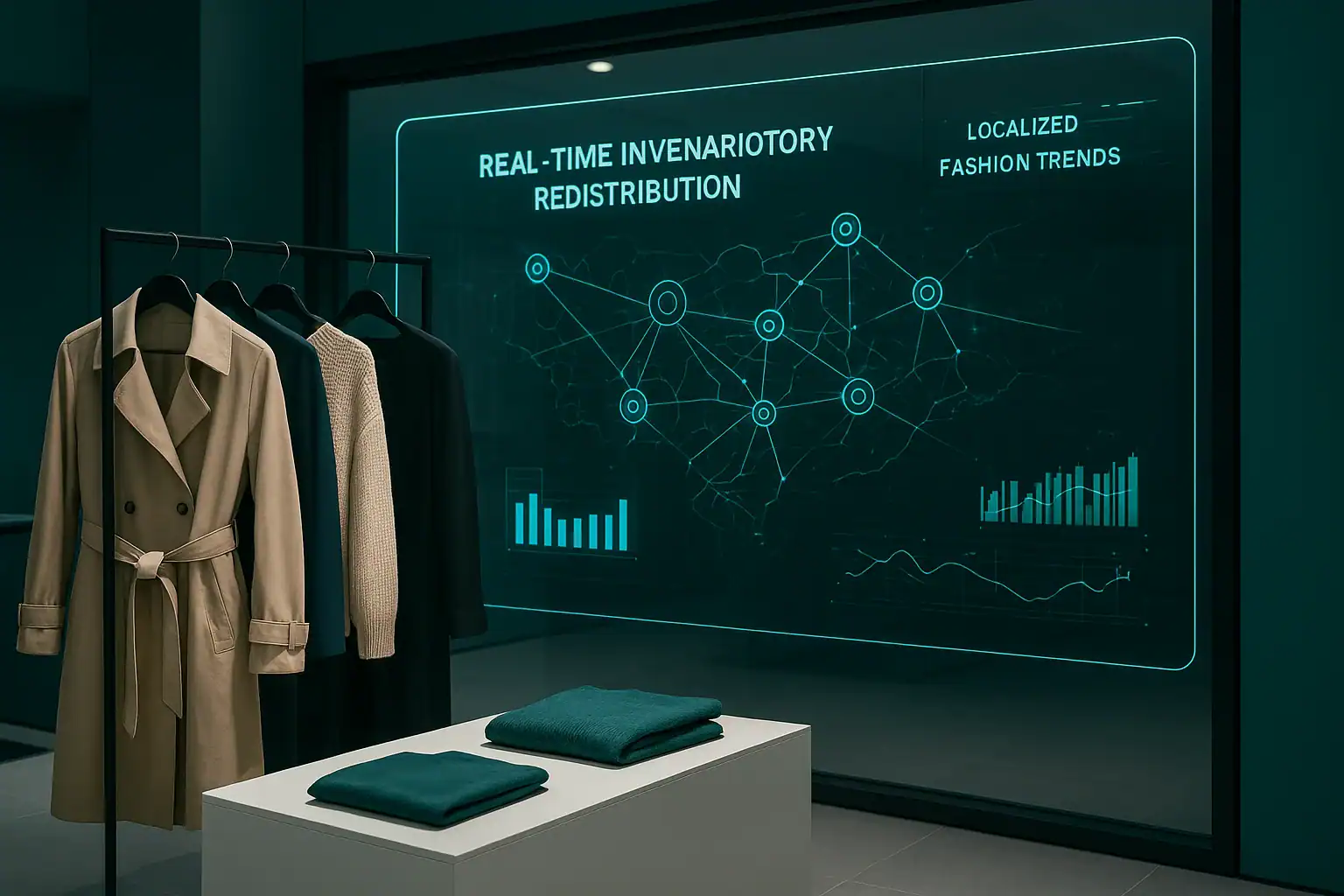
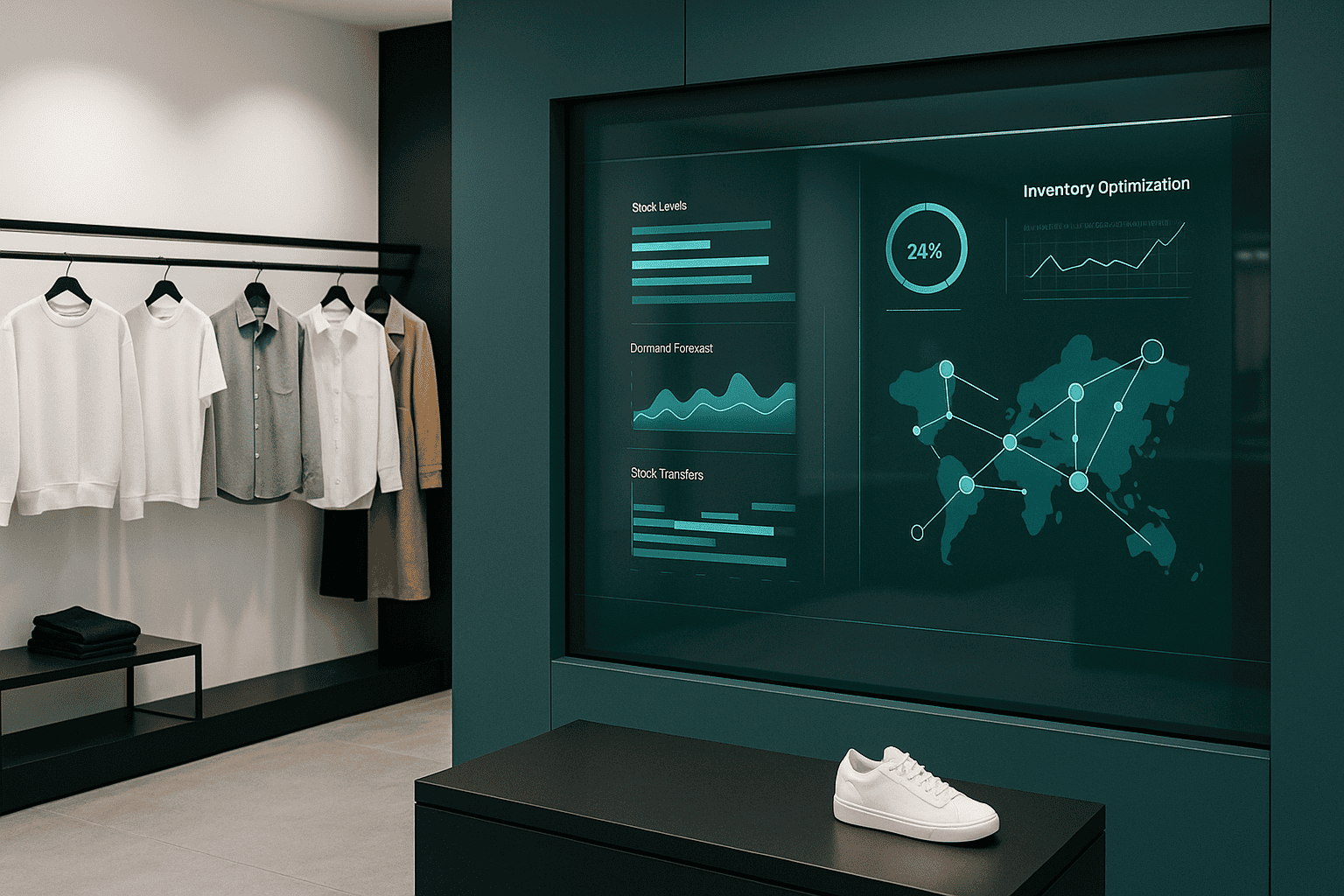
Imagine being able to see the inventory health of your entire network on one screen, with a system that understands where products are most needed. That’s the essence of AI driven stock balancing. It moves beyond simple replenishment to create network wide equilibrium, a concept known as Multi Echelon Inventory Optimization (MEIO). By analyzing data from every store, warehouse, and online channel, AI identifies opportunities to shift stock from low demand areas to high demand ones, drastically reducing inventory distortion and maximizing the chance of a full price sale.
What are predictive AI cross store transfers
The biggest shift AI introduces is moving from reaction to prediction. Instead of waiting for a store to report low stock, predictive AI anticipates these needs. It analyzes thousands of data points, like local weather forecasts, regional events, and social media trends, to forecast where a product will be in high demand next week. This allows for proactive and smarter inventory transfers, ensuring products are in the right place at the right time before a stockout occurs.
How does this solve inventory imbalances
By combining stock balancing with predictive transfers, AI provides a powerful solution for solving inventory imbalance. When a product’s sales slow in one location while accelerating in another, the system doesn’t just see two isolated events. It sees an opportunity. It can automatically calculate the most profitable action, whether that’s a cross store transfer, a return to a central distribution center, or a carefully timed markdown, turning a potential loss into a profitable sale.
The pillars of an effective AI redistribution strategy
Implementing an AI driven strategy is not about flipping a switch, it is about building a system on a foundation of intelligent capabilities. These pillars work together to transform raw data into profitable decisions that adapt to the fast paced world of fashion retail.
The key components that make it possible.
- Granular demand forecasting:
AI excels at handling seasonal and time based trends by analyzing data at the most detailed level, forecasting demand for each specific SKU, in each store, for any given day.
- Dynamic inventory segmentation:
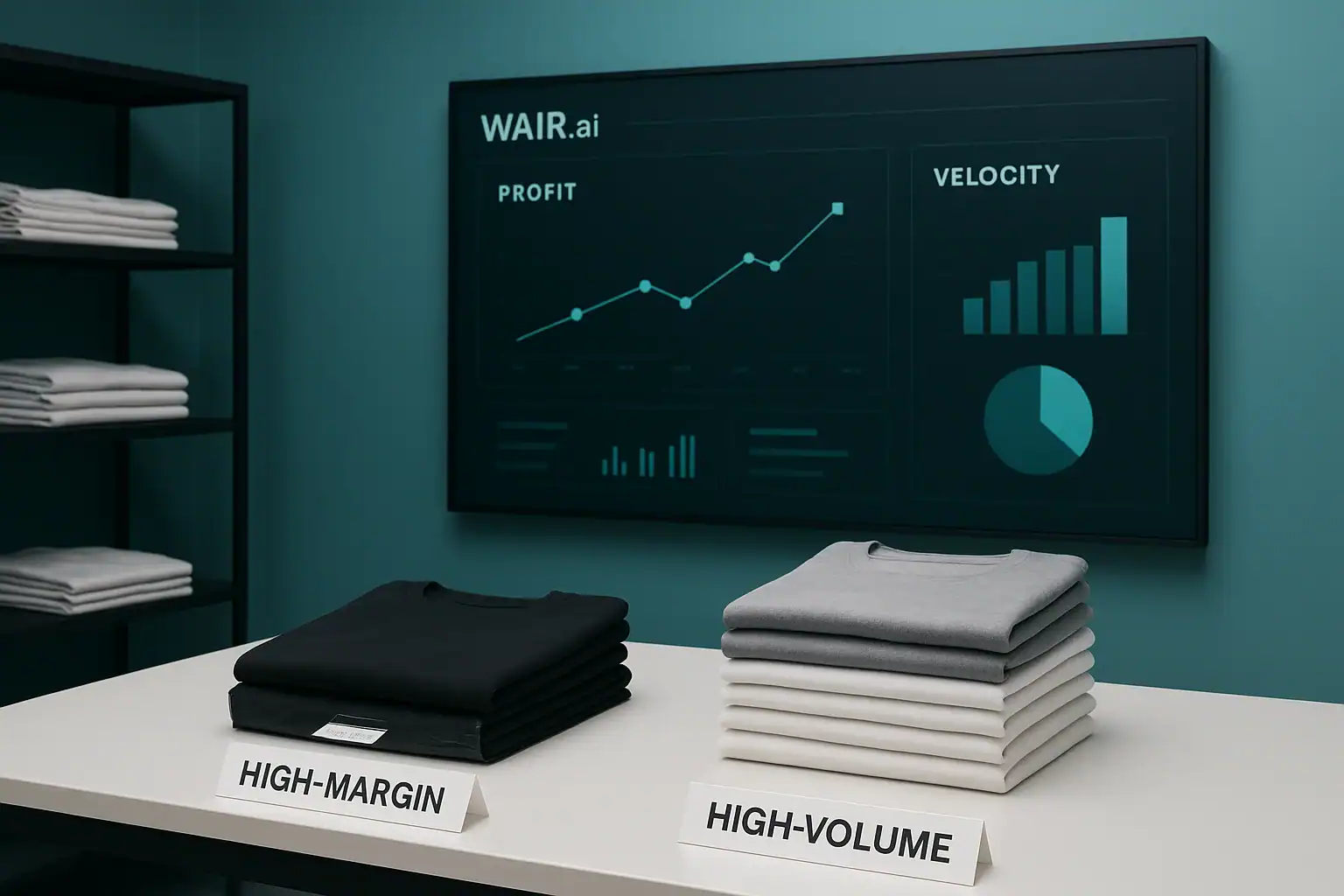
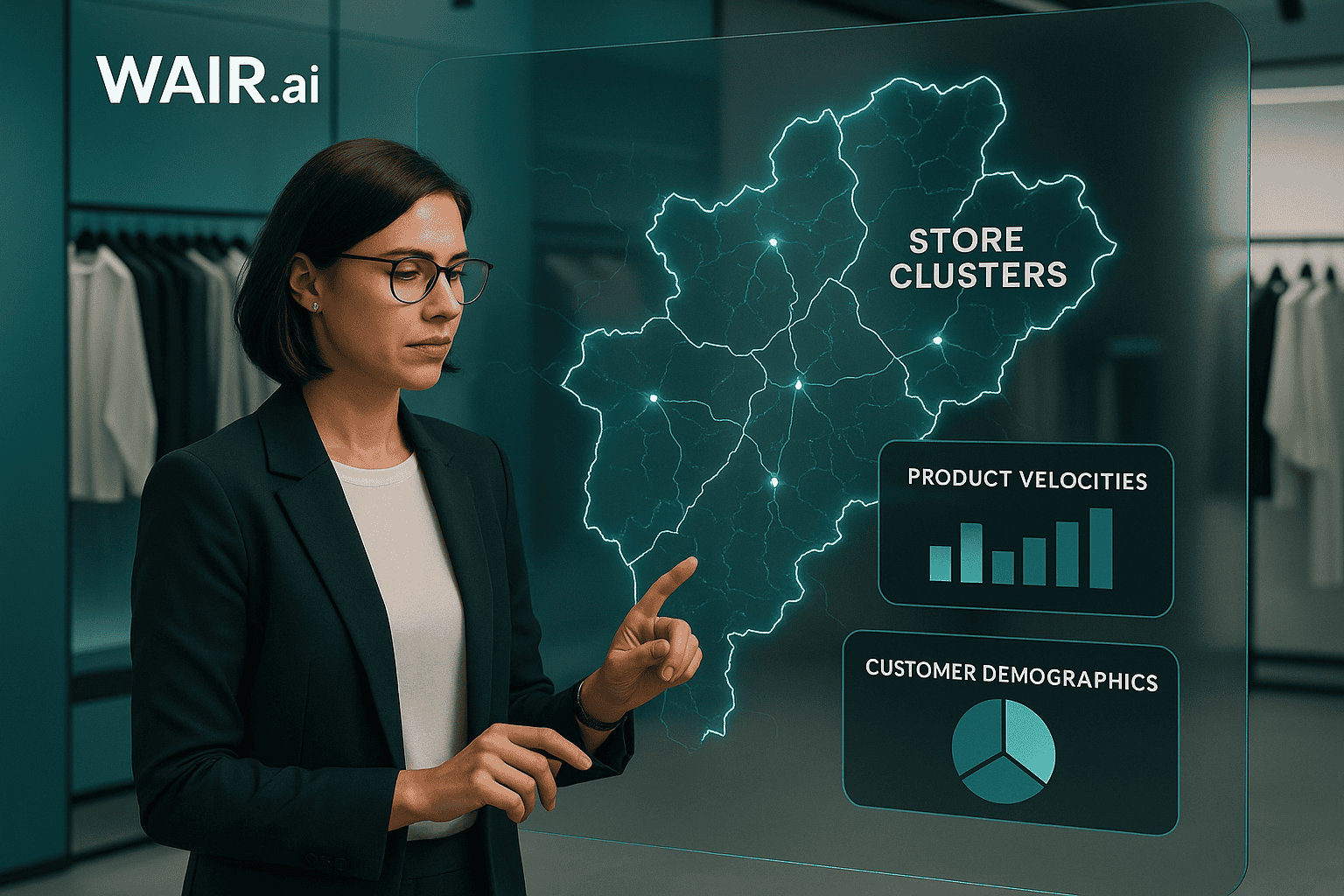
Not all products are equal, and AI understands this by optimizing inventory with high variation, categorizing items based on their sales velocity, margin, and lifecycle stage to prioritize redistribution efforts.
This is where the power of agentic AI over traditional systems becomes clear, as the technology moves beyond analysis to recommend or even execute optimal inventory transfers on its own.
Putting it all together the anatomy of an AI powered transfer
Let’s make this tangible. Imagine you sell a popular line of lightweight raincoats. At the start of spring, you allocate them across your network.
An AI system continuously monitors sales. It notices the raincoats are flying off the shelves in Seattle, where unexpected spring showers are frequent. Simultaneously, sales in sunny Los Angeles are flat. The AI doesn’t just report this data. It analyzes it in context, considering factors like the cost of shipping, the remaining weeks in the season, and the potential margin loss if the Los Angeles stock is eventually marked down.
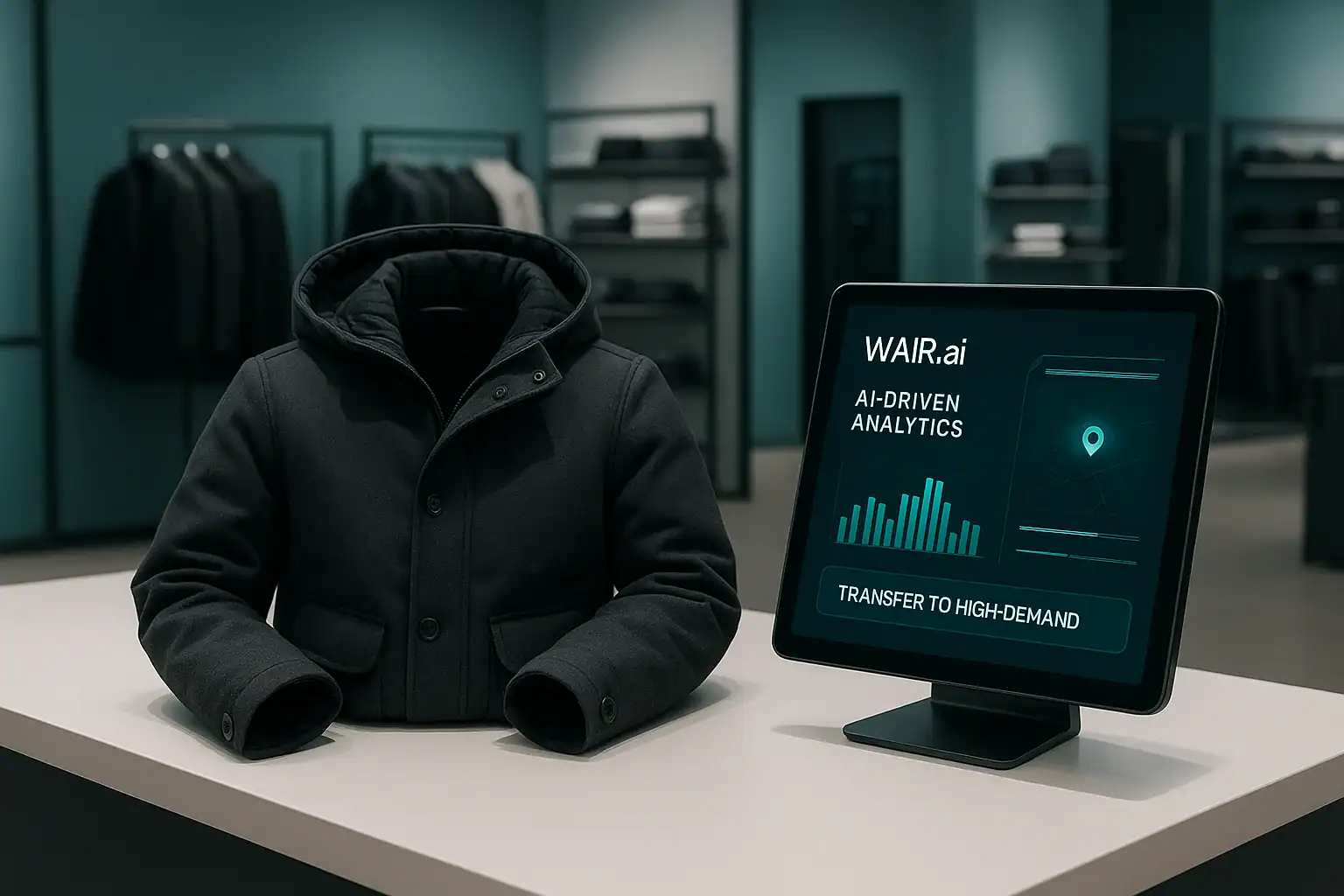
Based on this analysis, the system determines that transferring 50 raincoats from Los Angeles to Seattle is the most profitable action. It confirms the transfer aligns with your business rules and logistics capacity. This is a prime example of implementing agentic AI in retail to turn a potential overstock situation into a full price sales opportunity, all without significant human intervention.
Unlock your inventory’s true potential
The seasonal nature of fashion will always present challenges, but outdated, reactive inventory management no longer has to be one of them. By embracing AI driven redistribution, retailers can transform their inventory from a static, siloed liability into a dynamic, fluid asset.
This strategic shift empowers you to move from guessing to knowing, from reacting to anticipating, and from marking down to selling through. It is about creating a resilient, intelligent retail ecosystem that not only reduces waste and protects margins but also delivers a better experience for the customers you serve. The future of fashion retail is not just about designing the right products, it is about getting them to the right place at precisely the right time.
Frequently asked questions
Q: How does AI handle unpredictable fashion trends versus predictable seasonality?
A: AI differentiates between the two by analyzing different data patterns. Seasonality follows predictable, cyclical patterns based on historical data (e.g., coat sales in winter). For unpredictable trends, AI analyzes real time data like social media sentiment, search queries, and early sales velocity from flagship stores to identify emerging micro trends and recommend rapid inventory adjustments.
Q: Can smaller retailers use AI for inventory redistribution?
A: Absolutely. While once reserved for large enterprises, AI solutions are becoming more accessible. Many modern AI systems are designed to be scalable and can be implemented by small to mid sized retailers, often starting with a pilot program to prove ROI before a full rollout. The key is to have clean point of sale data as a starting point.
Q: What kind of data does AI need to work effectively?
A: The more data, the better, but the core requirements are clean and consistent sales data (POS), inventory levels, and product information (SKU details). To enhance its predictive power, AI can also integrate external data feeds like weather forecasts, local event calendars, competitor pricing, and demographic information.
Q: Does AI replace the role of human merchandisers?
A: No, AI augments their role. It automates the complex, data heavy calculations involved in forecasting and redistribution, freeing up merchandisers to focus on more strategic tasks. Humans set the strategy, define business rules and constraints, and manage exceptions, while AI acts as a powerful analytical tool to execute that strategy with speed and precision.