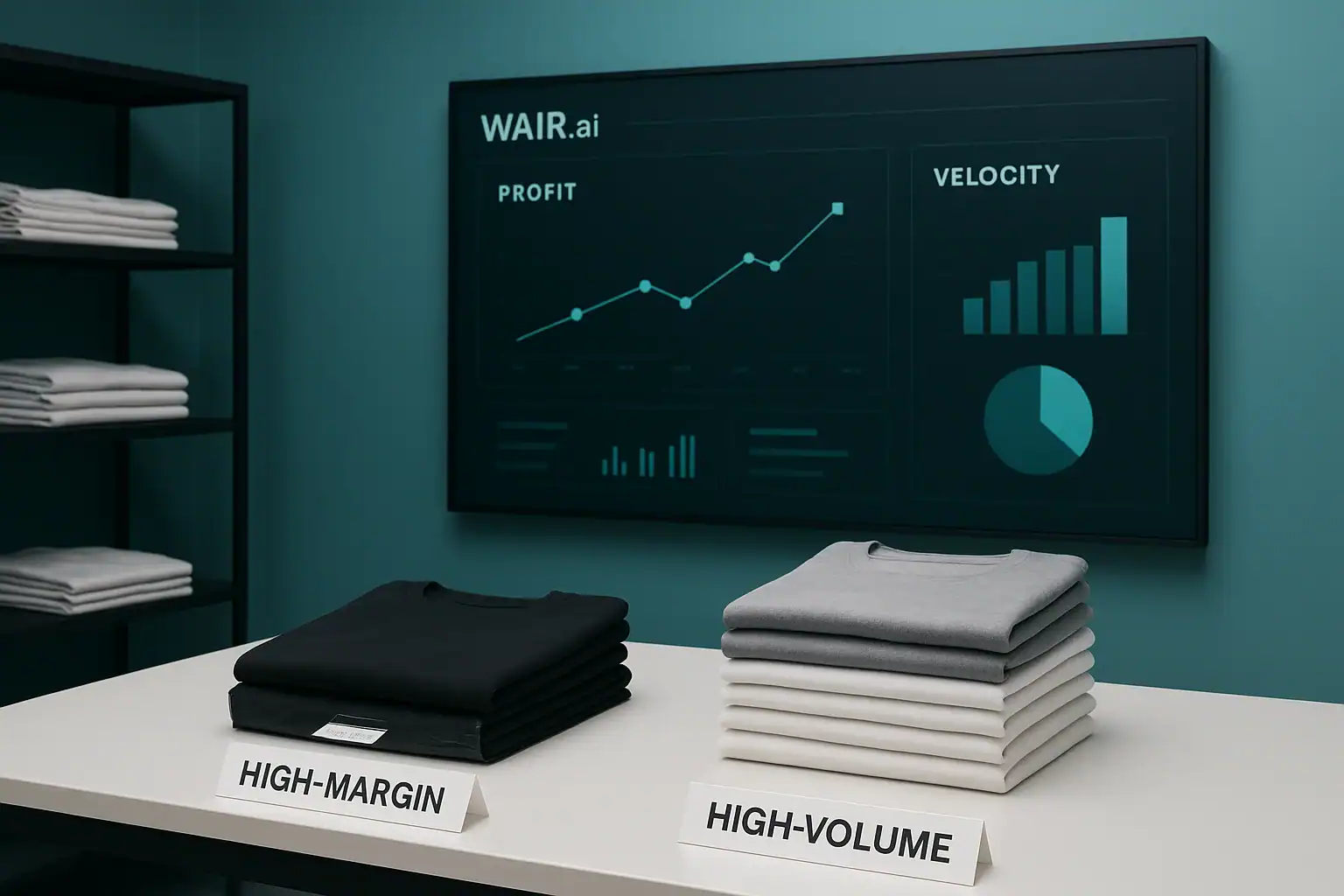
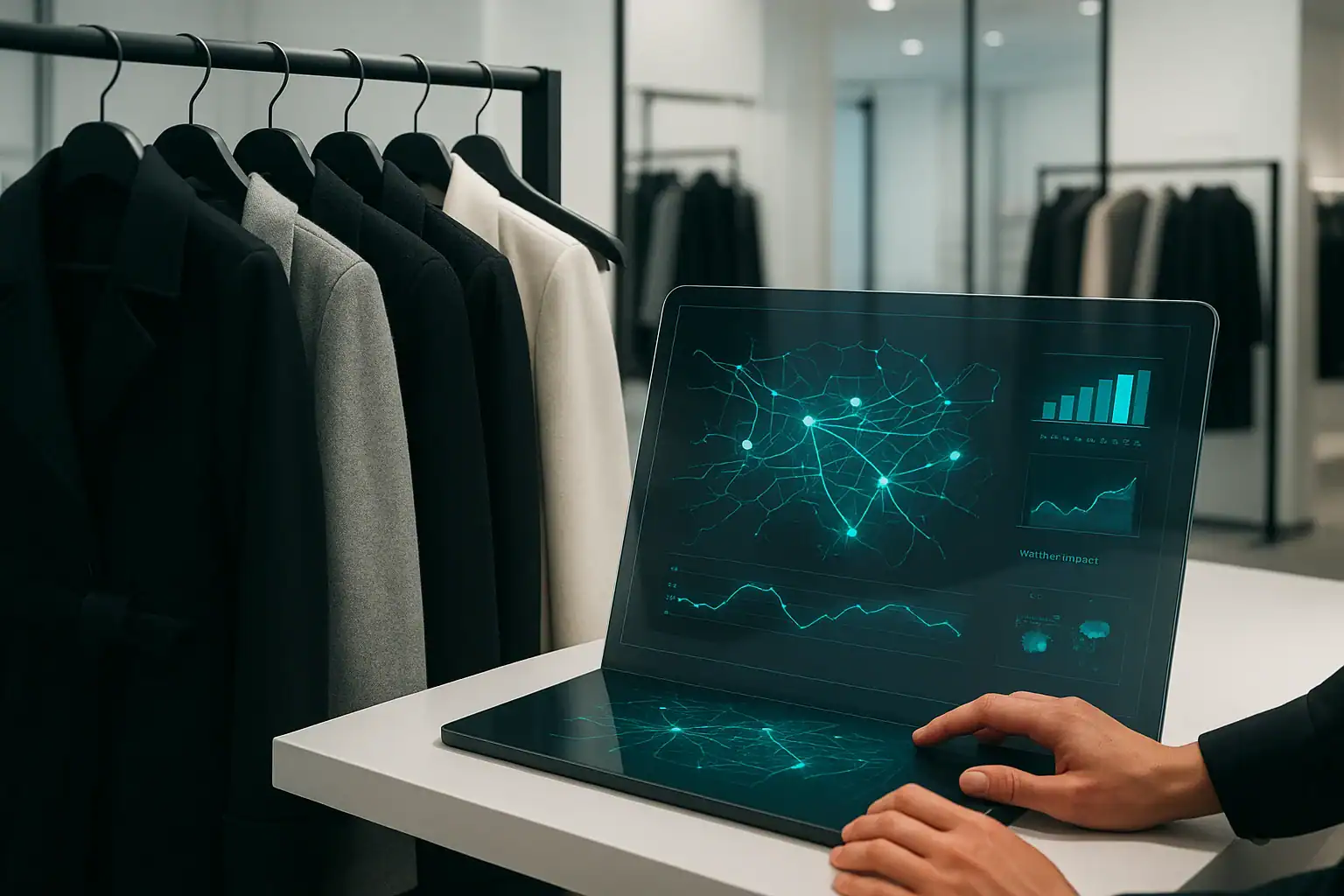
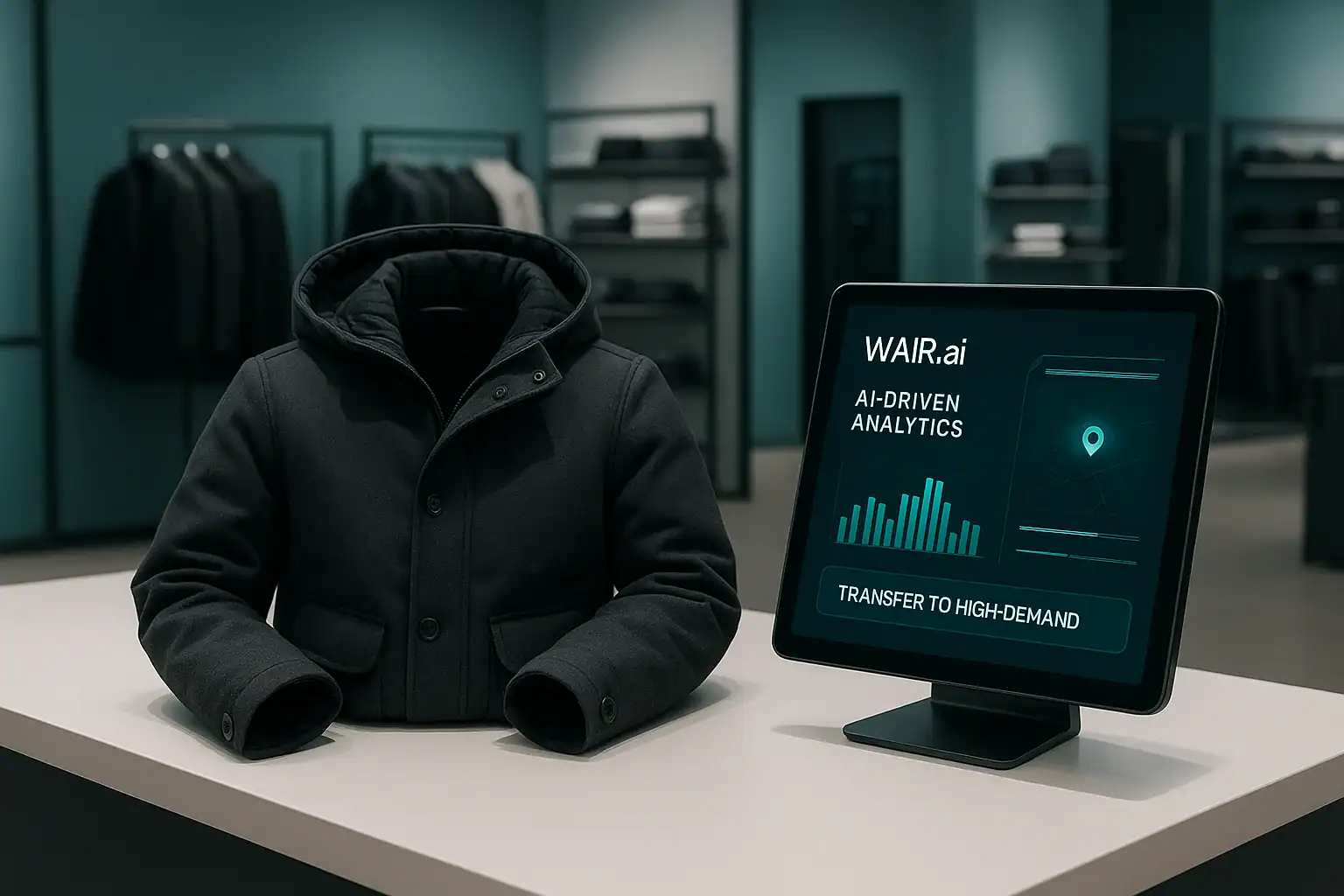
Imagine shipping a new collection of lightweight trench coats to all your stores across the country. In sunny Los Angeles, they fly off the shelves as the perfect layering piece. But in Seattle, where a surprise cold snap has hit, they sit untouched while customers hunt for heavier wool coats. Weeks later, the Seattle store is forced to mark down the trench coats, while the LA store has missed out on potential sales due to stockouts. This common retail headache highlights a fundamental truth, fashion is not a monolith. What’s trending in one city can be a dud in another, creating a costly imbalance of inventory.
For years, retailers have relied on historical sales data and gut instinct to navigate these regional variations. But in a world of fast-changing micro trends and increasingly diverse consumer tastes, these methods fall short. The solution lies in a smarter, more dynamic approach: AI-driven inventory redistribution. This technology doesn’t just predict what a customer might buy. It ensures the right product is in the right place at the right time, turning regional complexity from a liability into a competitive advantage.
Understanding the local fashion puzzle
At its core, the challenge of inventory management in fashion comes down to matching supply with highly unpredictable demand. This is made exponentially more difficult by localized trends. These are not just broad seasonal shifts but nuanced preferences shaped by a unique blend of factors in a specific area. A city’s climate, cultural events, demographic makeup, and even the influence of local social media creators can cause demand for certain styles, colors, or sizes to spike unexpectedly.
When inventory isn’t aligned with these local tastes, the consequences are significant. Retailers face the dual threat of overstock in low demand areas, which leads to margin crushing markdowns, and stockouts in high demand areas, resulting in lost sales and frustrated customers. This imbalance contributes to the industry’s massive inventory problem, where billions are lost annually to unsold goods. The key isn’t just to forecast better but to become agile enough to react to these variations in real time.
The old way vs the new way of stock balancing
Traditionally, retailers have approached regional demand by grouping stores based on simple attributes like geography or store size. A planner might create a “Northeast” cluster and a “Southwest” cluster, allocating inventory based on last year’s sales for those broad regions. While better than nothing, this approach is slow, reactive, and often misses the subtle differences that drive sales. A trendy urban neighborhood in Atlanta might have more in common with a similar neighborhood in Austin than with a suburban store just 30 miles away.
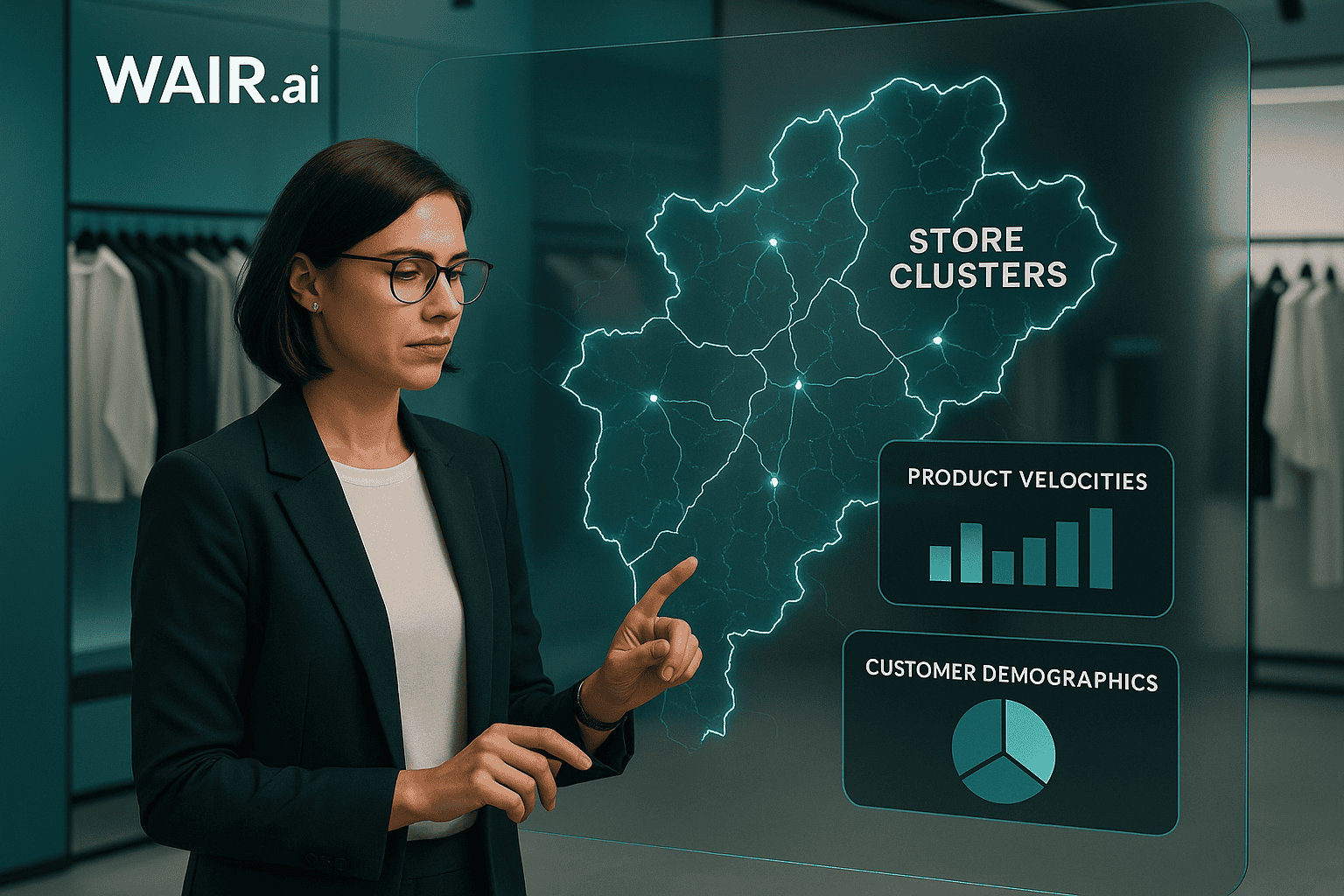
AI introduces a fundamentally more intelligent method: dynamic store clustering for the initial stock allocation. Instead of relying on static, manually defined groups, AI algorithms continuously analyze multiple data streams to identify stores with similar sales patterns, regardless of their physical location. This practice of advanced store clustering creates a much more accurate and fluid understanding of demand.
From static groups to dynamic clusters
AI-powered systems can analyze dozens of variables simultaneously, from sales velocity and price elasticity to customer demographics and even the types of brands that sell well together. This allows for the creation of sophisticated, ever-evolving maps of demand. For example, an AI might identify a “coastal casual” cluster that includes stores in California, Florida, and the Carolinas, ensuring these locations are stocked with beach-appropriate apparel. This is the power of merchandise channel clustering, which groups locations by how customers actually shop, not just by their zip code.
How AI deciphers local style and demand
So, how does an AI system develop this nuanced understanding of what will sell where? It works by ingesting and analyzing vast datasets from multiple sources, identifying patterns that would be impossible for a human team to spot. This comprehensive view allows for highly accurate AI inventory forecasting that is sensitive to local tastes.
This process involves looking far beyond simple historical sales figures. The AI considers a wide array of inputs to build a complete picture of regional demand drivers.
This is the foundation, but AI analyzes it at a granular level, looking at sales velocity by SKU, color, and size to understand which specific product attributes are resonating in each store cluster.
AI models can integrate real time weather forecasts, data on local holidays or major events (like music festivals), and even economic indicators to predict shifts in purchasing behavior.
This is where AI truly excels. It can analyze social media chatter, posts from local fashion influencers, and trends on regional fashion blogs to detect emerging styles before they translate into sales, helping to solve for fashion inventory complexity.
The AI redistribution playbook in action
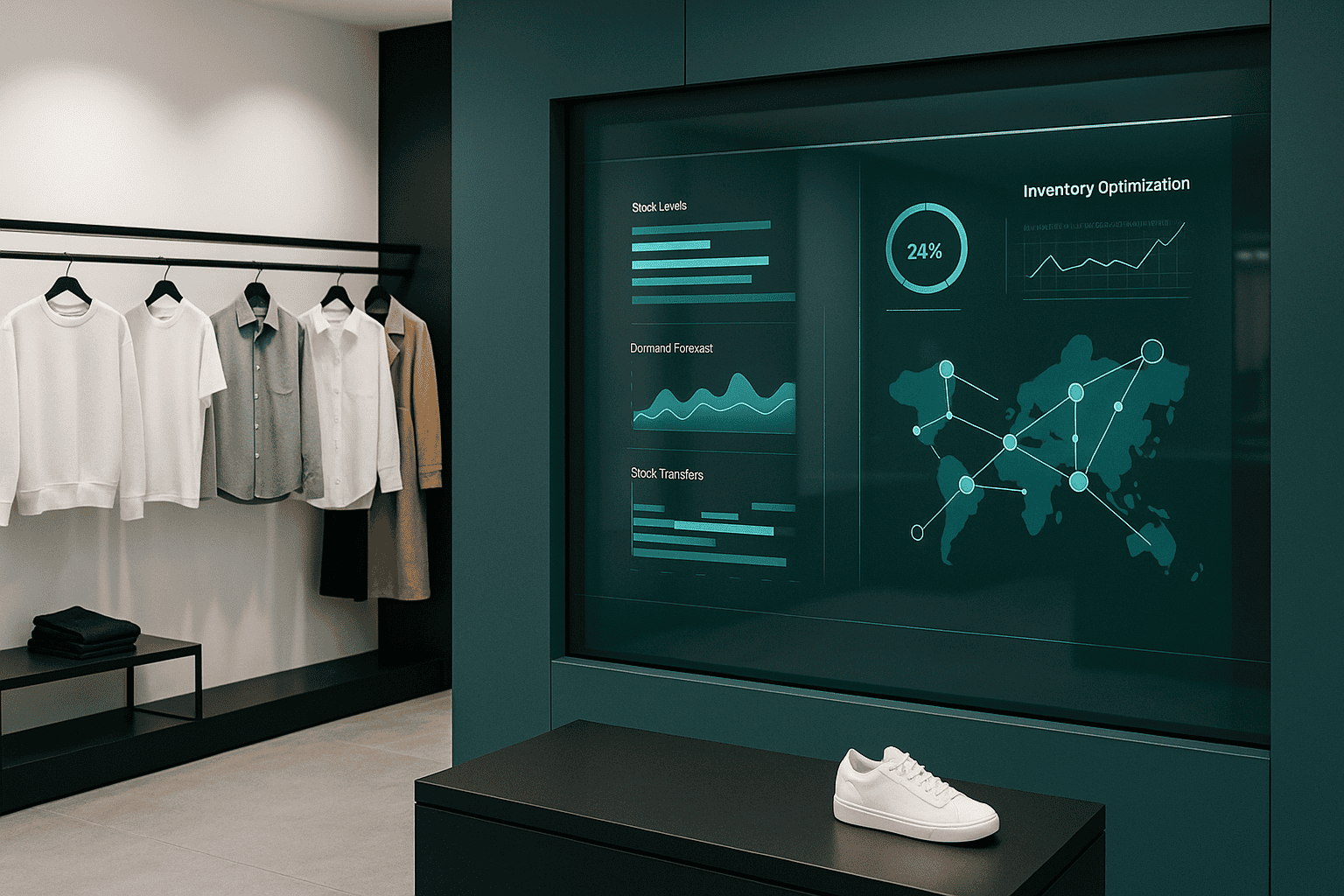
Once the AI understands the unique demand patterns of each store cluster, it can proactively manage inventory flow across the entire retail network. This isn’t a one time allocation at the start of the season, it’s a continuous process of rebalancing to keep inventory perfectly aligned with real time sales signals. This strategic inventory allocation ensures that capital is not tied up in slow moving stock.
Consider a practical scenario. An AI system detects that a specific style of brightly colored sneaker is selling out rapidly in its “urban creative” store cluster, which includes locations in Brooklyn, Portland, and Chicago’s Wicker Park. At the same time, it notes that the same sneaker is moving slowly in its “suburban family” cluster. The AI calculates the potential lost sales in the hot zones versus the cost of transferring the goods. It then generates a redistribution recommendation for the inventory planner: move 50 units from three specific suburban stores to the three urban locations where demand is highest.
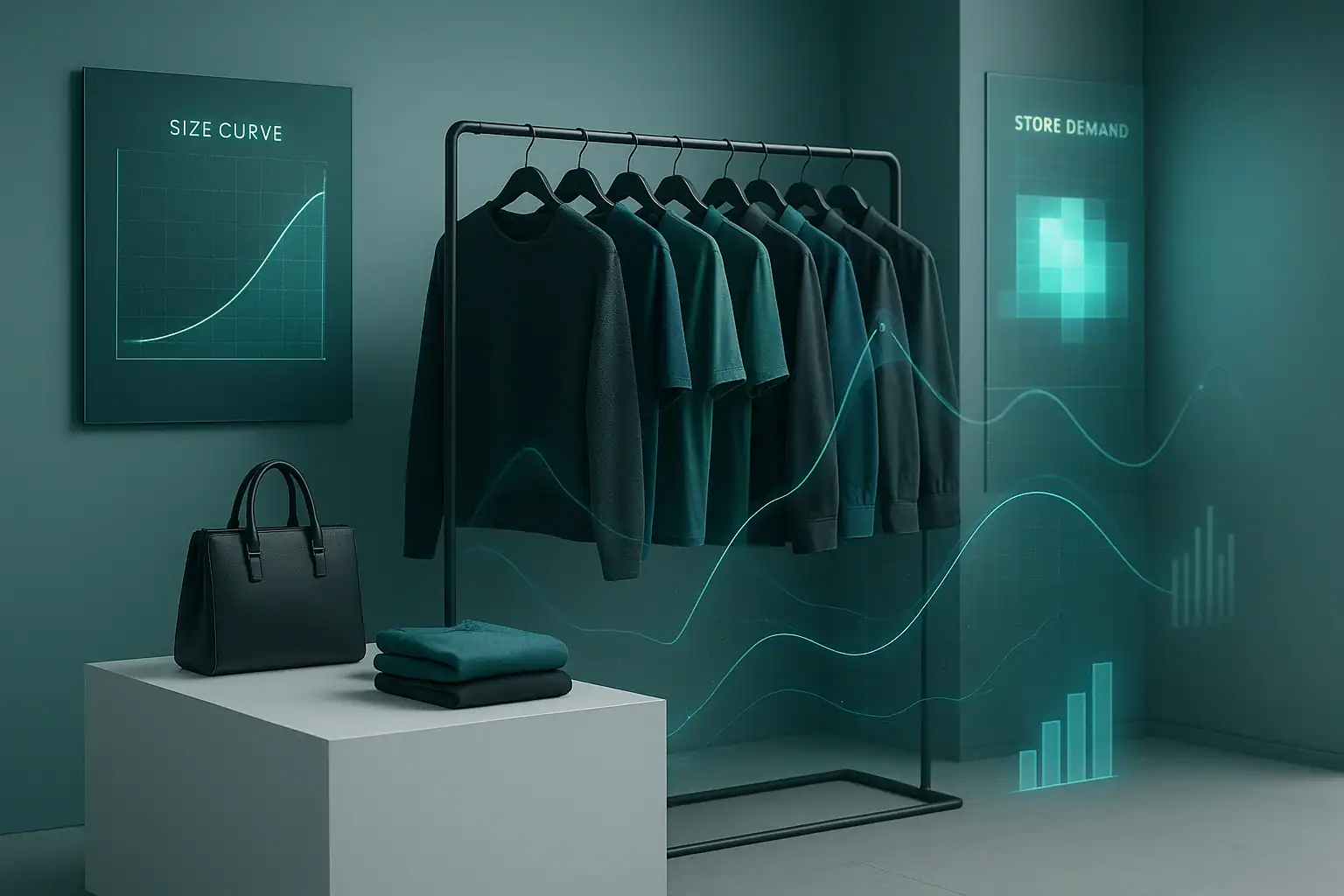
This level of precision extends to solving fashion’s most difficult challenges, like getting the right distribution of sizes in each store. By analyzing local demographic and sales data, AI can optimize size curves for each location, ensuring petite sizes aren’t overstocked in a region where the average customer needs larger sizes. This is where a dedicated fashion AI agent can make a significant impact, even tackling complex issues like footwear size optimization.
Beyond predictions to profitable decisions
Implementing AI-driven inventory redistribution transforms a retailer’s operating model from reactive to predictive. Instead of using markdowns to fix past forecasting errors, brands can use intelligent transfers to capitalize on emerging opportunities. The result is a cascade of financial and operational benefits: higher full price sell through, reduced markdowns, lower waste, and ultimately, a healthier bottom line.
This technology doesn’t replace the expertise of human merchandisers. Instead, it empowers them. By automating the complex task of analyzing data and identifying redistribution needs, AI frees up planners to focus on higher level strategy. They become conductors of a finely tuned inventory orchestra, using AI insights to make smarter, faster, and more profitable decisions that delight customers in every region. Ready to discuss how we can allocate your inventory using AI? Schedule a meeting with our experts.
Frequently asked questions
Q: What is AI-driven inventory redistribution?
A: It is the use of artificial intelligence to analyze sales data, regional trends, and other factors to recommend and automate the movement of products between stores or warehouses. The goal is to match inventory levels with localized demand in real time, reducing overstock in one area and stockouts in another.
Q: How does AI understand regional fashion trends?
A: AI understands regional trends by analyzing massive datasets beyond just historical sales. It incorporates real time sales velocity, weather patterns, local events, and even unstructured data like social media conversations and influencer activity to identify which styles, colors, and products are gaining popularity in specific geographic clusters.
Q: Isn’t it expensive to constantly move inventory between stores?
A: While there is a cost to transferring inventory, advanced AI systems perform a cost benefit analysis for each potential transfer. They weigh the logistics cost against the projected increase in full price sales and the reduction in end of season markdown costs. In most cases, the profit gained from selling an item at full price far outweighs the cost of moving it.
Q: Will AI replace the role of retail merchandisers and planners?
A: No, AI is a tool that enhances, rather than replaces, human expertise. It automates the time consuming task of data analysis, allowing merchandisers and planners to shift their focus from manual number crunching to strategic decision making. They use AI insights to approve recommendations, manage exceptions, and shape overall inventory strategy.