In fashion and retail, the promise you make to a customer begins the moment they see a product they love. Fulfilling that promise is the most critical step in building a relationship. Yet, a simple “out of stock” message can break that promise instantly, silently sabotaging not just a single sale, but the future loyalty you’ve worked so hard to earn. While many retailers focus on the immediate cost of a lost sale, they often overlook the far greater damage. Research shows that when faced with a stockout, about 70% of shoppers will switch to another brand, often permanently.
Preventing understock is therefore not just an operational task, it’s a strategic imperative for customer retention. It’s about transforming your inventory management from a defensive reaction to a proactive engine for customer satisfaction and long term growth. By ensuring product availability, you build the trust and reliability that turn one time buyers into lifelong advocates.
The silent saboteur of customer satisfaction
Understocking does more than just leave a gap on your shelves, it creates a gap in your customer relationships. Every time a customer cannot find the product they want, it sends a message that your brand is unreliable. This experience chips away at their confidence and satisfaction, pushing them toward competitors who can consistently meet their needs. The consequences ripple through your business, impacting everything from immediate revenue to long term brand equity.
The immediate financial hit
The most obvious effect of an understock is a lost sale. But the damage multiplies quickly. A customer who finds their desired item unavailable may abandon their entire cart, even if it contains other in stock products. This immediate financial loss is compounded by the operational costs of trying to expedite new shipments or re engage a customer who has already left your site frustrated. Managing both overstock and understock is a delicate balance, but the risk of losing a customer for good often outweighs the cost of carrying slightly more inventory.
The long term erosion of trust
Beyond the transaction, understocking inflicts a deep emotional cost. Product experience accounts for over 36% of the change in customer loyalty. When a customer is ready to buy, they have an emotional connection to the product. An out of stock notice severs that connection and replaces it with frustration. Research reveals that emotionally connected customers are far more valuable, with a 71% recommendation rate compared to just 45% for merely satisfied customers. Consistent unavailability breaks this emotional bond and teaches customers that they can’t rely on you to have what they need, fundamentally eroding the trust required for a loyal relationship.
Quantifying the connection between inventory and customer experience
The link between product availability and customer happiness isn’t just intuitive, it’s measurable across key business metrics. Successful retailers understand that operational excellence in inventory management directly translates to a superior customer journey. In fact, 93% of customers report they are likely to make repeat purchases with companies that offer excellent service, and having the product they want is the most basic form of that service.
When you consistently fulfill orders, you directly influence metrics that define business health. Integrating AI for inventory management allows you to not only track these changes but also to proactively improve them.
This connection can be seen in several key performance indicators:
- Customer satisfaction score:
This metric rises when customers successfully find and purchase what they are looking for without friction.
Reliable product availability turns satisfied customers into promoters who recommend your brand to others.
By preventing stockouts, you encourage repeat purchases and increase the total revenue a customer generates over their lifetime.
Customers who trust you to have products in stock are far more likely to return for future needs.
Proactive strategies to turn availability into a competitive advantage
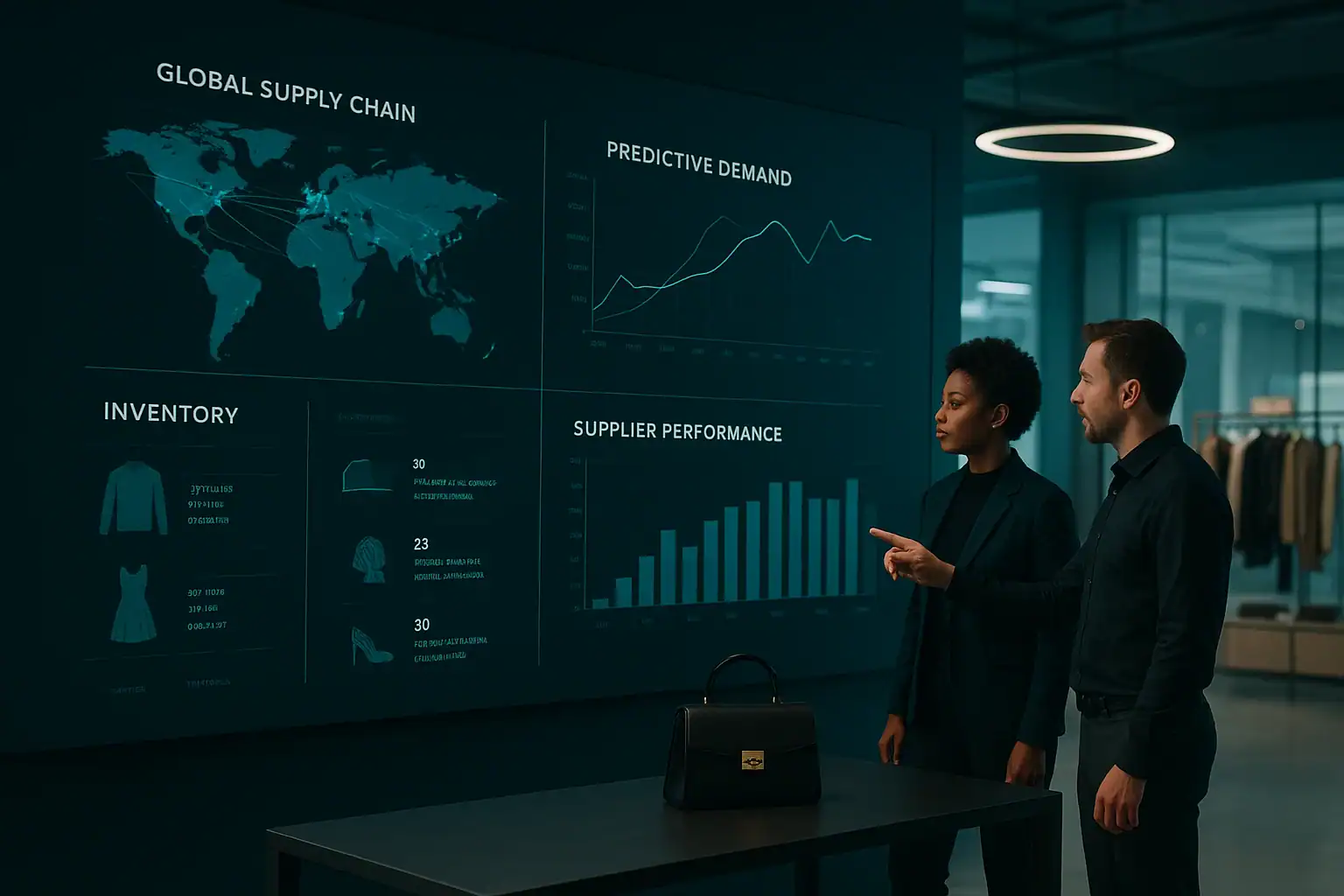
Moving from a reactive to a proactive inventory strategy requires more than just better forecasting, it demands a customer centric approach powered by advanced technology. An agentic AI company like WAIR.ai provides tools that don’t just manage stock levels but anticipate customer needs, ensuring you have the right product at the right place and time. This transforms availability from a simple necessity into a powerful competitive differentiator.
Here are advanced strategies that link operational efficiency directly to customer satisfaction:
- AI powered demand forecasting:
Utilize deep learning models that analyze sales data, weather patterns, and market trends to predict what customers will want with incredible accuracy.
- Real time inventory visibility:
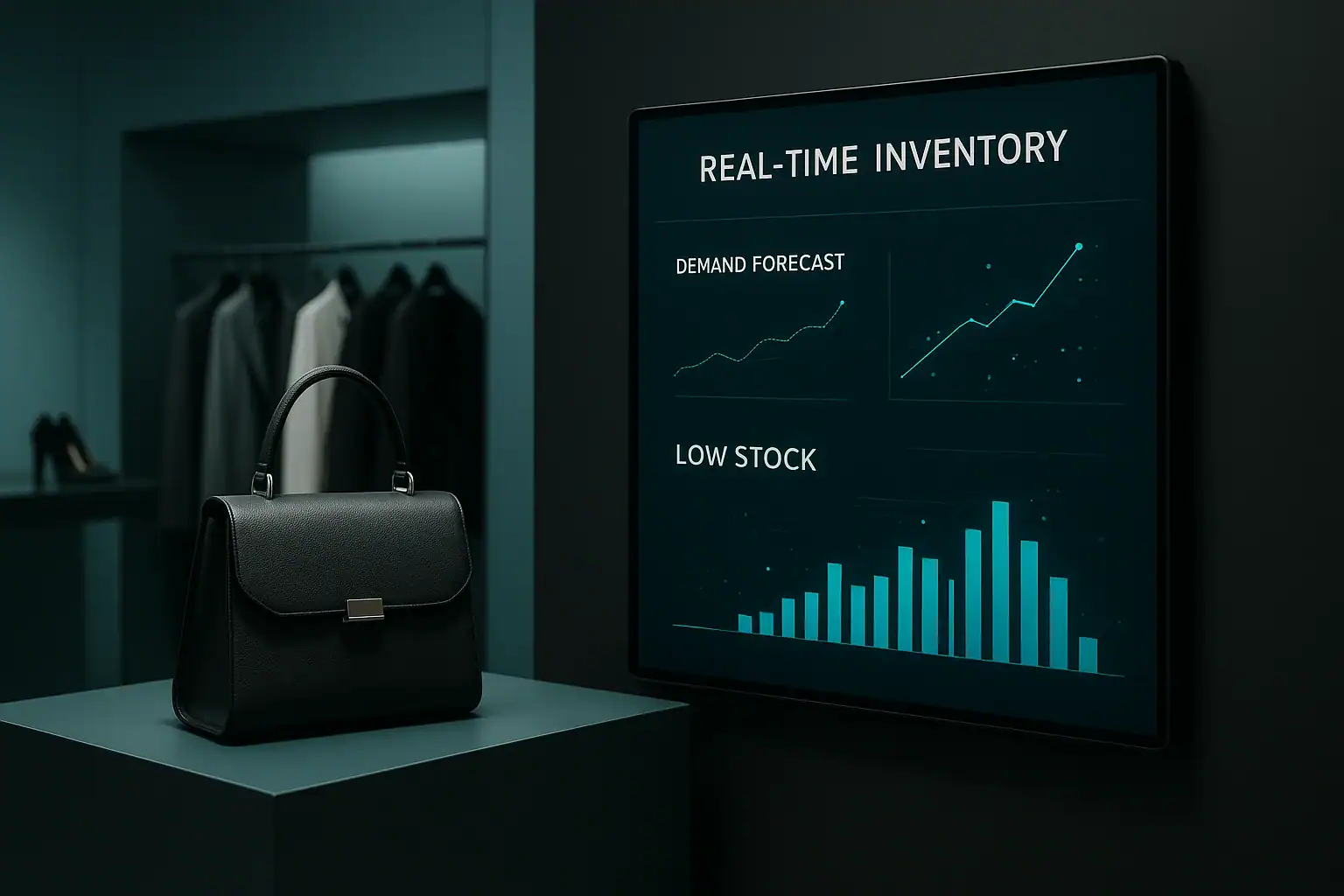
Give both your team and your customers a single, reliable source of truth on stock levels across all channels, eliminating disappointment.
- Dynamic safety stock optimization:
Use AI to automatically adjust safety stock levels based on demand volatility and supply chain reliability, ensuring a buffer without creating overstock.
- A unified omnichannel fulfillment strategy:
Synchronize inventory across online and offline stores to create a seamless experience where customers can buy and receive products anywhere.
Make every product promise a reality
Ultimately, the foundation of customer loyalty isn’t built on discounts or marketing campaigns, but on the simple, consistent fulfillment of a promise. By preventing understock, you are not just optimizing your supply chain, you are investing in the trust and satisfaction that create lasting customer relationships.
Adopting an AI driven approach to inventory management allows you to move beyond guessing and start predicting. You can anticipate customer desires, ensure products are always available, and turn every interaction into an opportunity to strengthen loyalty. This transforms your operations from a cost center into a powerful engine for sustainable growth, ensuring that when a customer wants to say “yes” to your product, you are always there to say “yes” back. Ready to discuss your full profit potential with AI? Schedule a meeting with our experts.
Frequently asked questions
Q: Isn’t it expensive to implement AI just to prevent understock?
A: While there is an initial investment, the ROI is significant. Global retailers lose over $1.7 trillion annually from inventory distortions, including understocks. The cost of losing a customer, often permanently, far outweighs the investment in technology that secures their loyalty and future purchases.
Q: How can AI predict demand better than our experienced merchandisers?
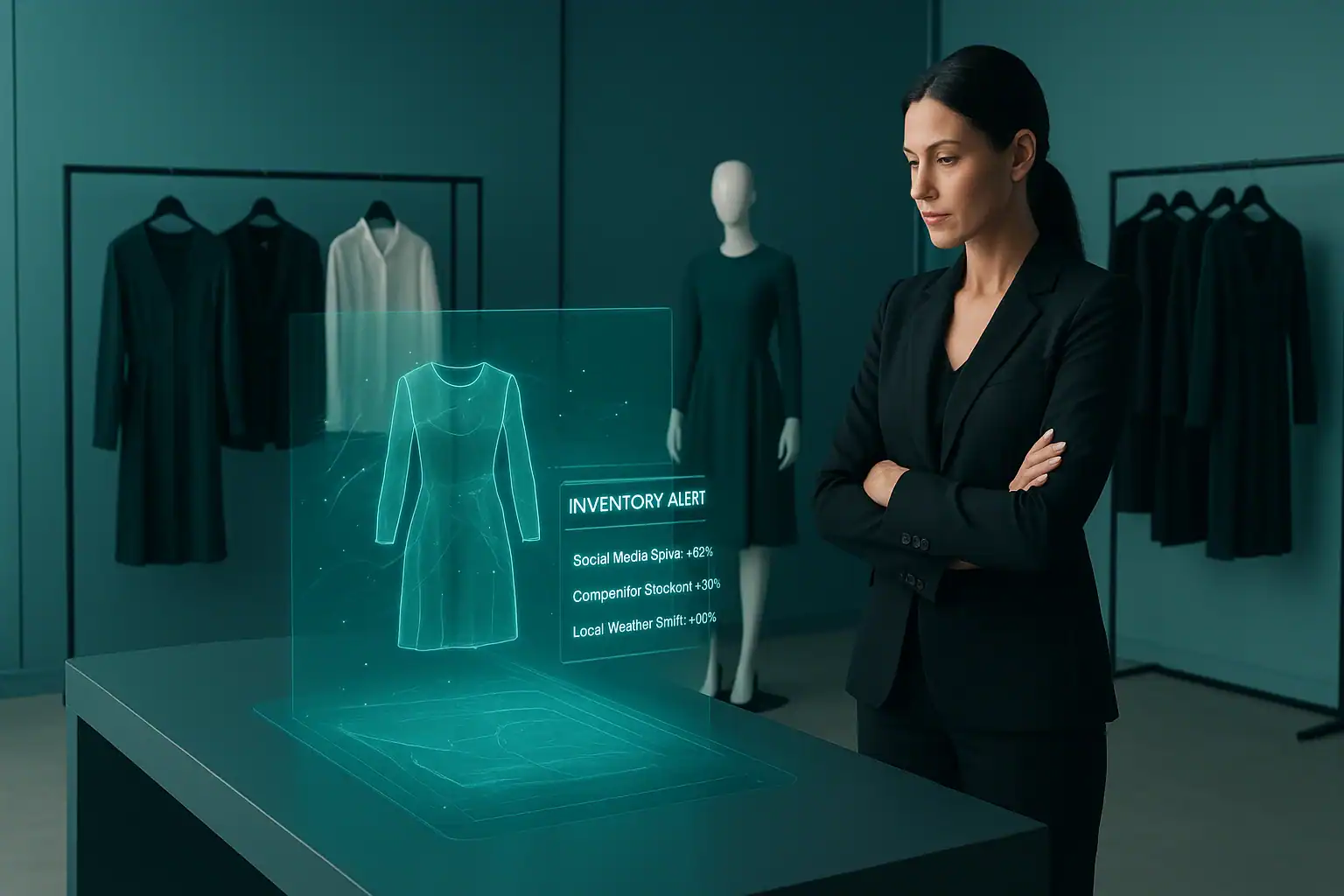
A: AI doesn’t replace human expertise, it enhances it. Agentic AI can process vast and complex datasets, from historical sales and weather patterns to social media trends, at a scale no human can match. This provides merchandisers with highly accurate, data driven insights to make smarter and more confident inventory decisions.
Q: We already use back in stock notifications. How is an AI driven approach different?
A: Back in stock alerts are a reactive measure that still forces the customer to wait and risk buying from a competitor. A proactive, AI driven approach aims to prevent the stockout from ever happening. It focuses on advanced AI forecasting and inventory intelligence to ensure the product is available the first time the customer wants it, delivering a far superior experience.