Empty shelves and “out of stock” notifications are more than just a customer inconvenience, they represent a massive, tangible loss. Globally, stockouts cost retailers nearly $1 trillion every year in lost sales and diminished customer loyalty. For years, the industry has relied on forecasting tools that, while helpful, are fundamentally reactive. They predict what might happen, but leave the critical work of prevention to manual intervention and educated guesses. This old model is no longer sufficient in a volatile market.
As you evaluate solutions to protect your revenue and margins, it’s crucial to understand the technological shift that is redefining inventory management. The conversation is moving beyond simple prediction to proactive, autonomous prevention. This is the domain of agentic AI, a new class of artificial intelligence that doesn’t just analyze data and issue alerts, it acts as a strategic partner, autonomously preventing problems before they can impact your bottom line.
Beyond reactive the flaws in traditional inventory management
Traditional inventory management systems, even those enhanced with basic predictive analytics, operate on a delay. They are designed to report on what has already happened or what is likely to happen based on historical patterns. This approach is fraught with limitations that directly contribute to stockouts and lost revenue.
These systems often fail because they cannot process the sheer volume and variety of modern retail data in real time. They might forecast demand based on last year’s sales but miss the subtle signals of a new trend emerging on social media or the impact of a local weather event. AI driven forecasting can reduce these supply chain errors by up to 65%, but only if the system can act on the insight. Simple prediction without autonomous action is like a smoke detector with no fire alarm, it identifies the problem but doesn’t initiate a solution.
Decoding the difference agentic AI is your proactive co-pilot
What separates an agentic AI system from a standard predictive tool? The key difference is autonomy. While traditional AI acts as an analyst, presenting data and suggestions, agentic AI functions as an autonomous operator. It’s a self learning system that not only predicts future outcomes but also takes independent, preemptive actions to optimize them.
Think of it as the evolution from a navigation app that simply points out traffic to a self-driving car that actively reroutes to avoid it. This is the core of the agentic AI vs. traditional AI distinction. Agentic systems empower your planning teams by handling the complex, moment to moment adjustments, transforming their role from reactive problem solvers to high level strategists. By 2028, it’s expected that 15% of day to day work decisions will be made autonomously by these systems, highlighting a rapid industry shift.
The proactive prevention playbook how agentic AI works in practice
An agentic AI approach to inventory management is not about replacing human expertise but augmenting it with unparalleled speed and analytical depth. It works by creating a dynamic, self correcting ecosystem that continuously monitors, learns, and acts to maintain optimal stock levels. This proactive stance is essential for predicting and preventing in store stockouts before they can occur.
WAIR.ai’s agentic solutions operationalize this concept through a multi-layered strategy that ensures true prevention, not just late stage reaction. The system is engineered to provide comprehensive AI driven inventory optimization.
Here’s how it translates into practical application.
- Real-time demand sensing:
The system ingests and analyzes vast datasets beyond historical sales, including real time foot traffic, local events, weather patterns, and social media trends to detect subtle shifts in demand.
- Autonomous anomaly detection:
Agentic AI constantly scans for deviations from expected patterns, identifying potential stockout risks long before they would appear on a traditional report.
- Preemptive action and redistribution:
Instead of just sending an alert, the AI agent can autonomously initiate a stock transfer from a lower performing store to one with rising demand or adjust future replenishment orders to prevent a shortfall.
Moving from theory to financial reality the impact of proactive prevention
Adopting an agentic AI solution isn’t just a technological upgrade, it’s a strategic business decision with a clear and compelling return on investment. Retailers who leverage advanced AI in their supply chain operations see significant, measurable improvements that directly impact profitability. The data paints a clear picture of the financial benefits.
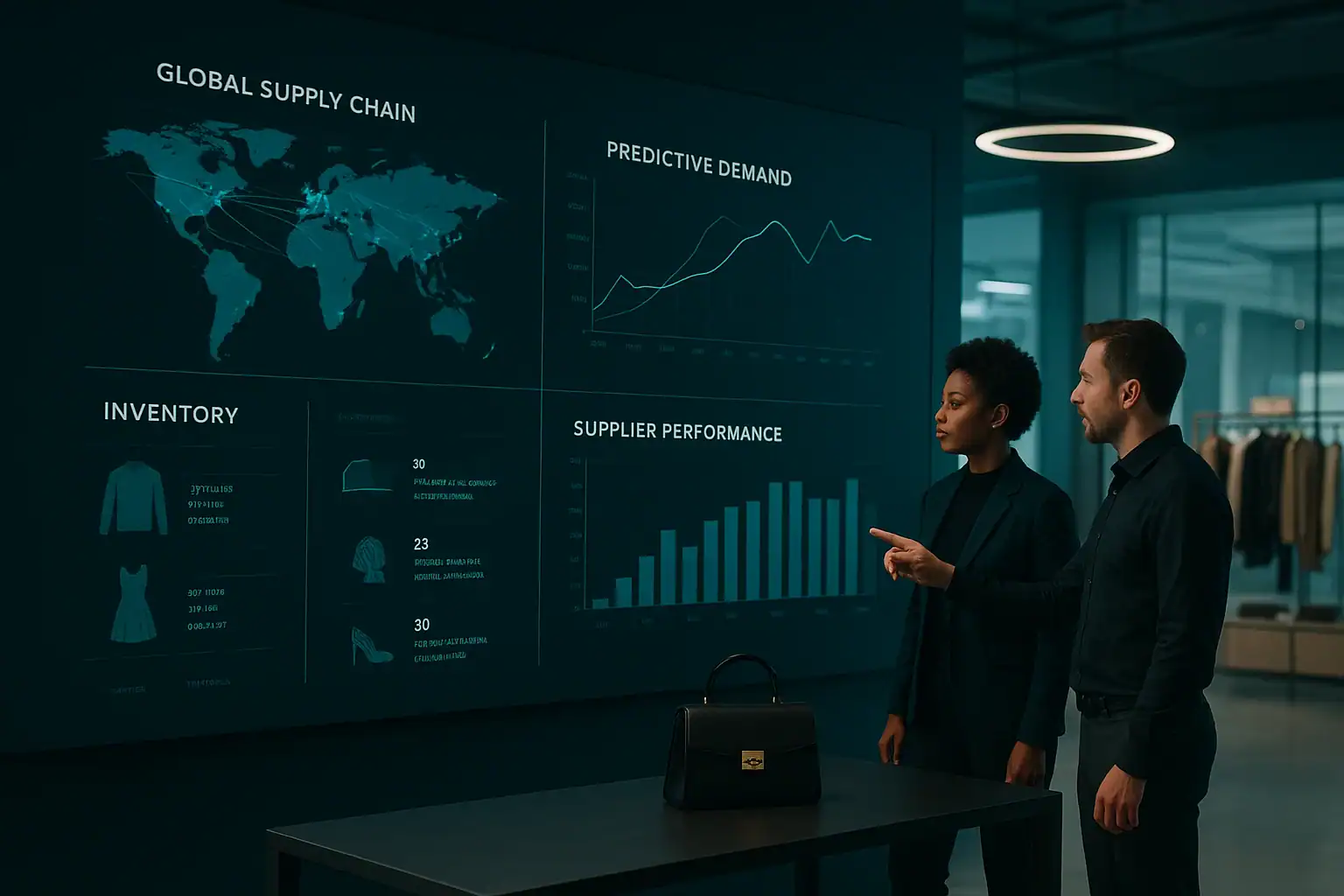
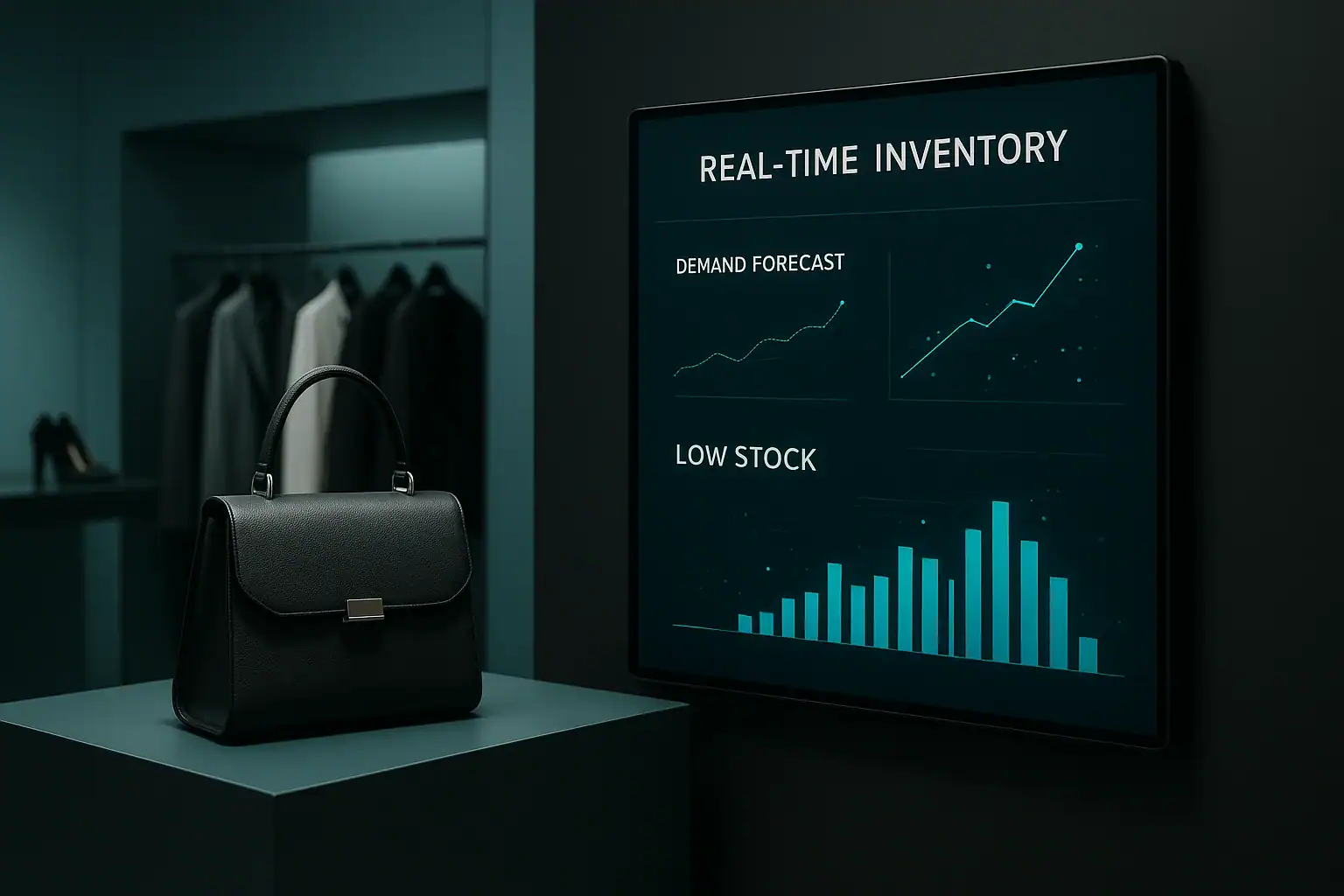
These gains are visualized and tracked through a modern inventory management dashboard, giving decision makers clear visibility into performance improvements.
Companies have reported up to a 30% reduction in stockout incidents, directly recovering sales that would have otherwise been lost.
By optimizing stock levels and preventing overstock, retailers achieve a 15-30% reduction in inventory carrying costs, freeing up valuable capital.
Automating routine decisions and preventative actions allows inventory planners to focus on strategic growth initiatives, improving overall team productivity.
Future proofing your inventory with agentic AI
In today’s unpredictable retail landscape, supply chain resilience is paramount. An agentic AI system provides the foundation for a future proof inventory strategy that can adapt to market volatility, sudden disruptions, and evolving consumer behavior. With 76% of supply chain professionals identifying high potential for autonomous AI agents, early adoption creates a significant competitive advantage.
This forward looking capability allows for dynamic in season replanning, enabling your business to pivot quickly without manual intervention. By building a system that learns and adapts continuously, you are not just solving today’s stockout problems but also insulating your business against the challenges of tomorrow.
Take the first step toward zero stockouts
Moving from a reactive to a proactive inventory strategy is the single most impactful change a retailer can make to protect margins and drive growth. Agentic AI is no longer a futuristic concept, it is a practical, proven solution that delivers quantifiable results. It represents a fundamental shift from merely forecasting problems to autonomously preventing them.
By empowering your teams with an AI co pilot that manages the complexities of demand sensing and stock balancing, you can finally move beyond fighting daily fires. You can focus on building a resilient, profitable, and future ready retail operation.
Frequently asked questions
Q: How is agentic AI different from the predictive analytics we already use?
A: The primary difference is autonomy. Predictive analytics forecasts potential outcomes and generates alerts, requiring human intervention to act. Agentic AI not only predicts outcomes but also takes autonomous, self-executing actions, like initiating a stock transfer or adjusting an order, to proactively prevent the problem.
Q: Will this system replace our inventory planning team?
A: No, it empowers them. Agentic AI acts as a strategic co pilot, handling the complex, high volume analysis and routine decision making. This frees your human planners from reactive tasks so they can focus on higher level strategy, supplier relationships, and long term growth initiatives.
Q: What kind of data is needed to implement an agentic AI solution?
A: Agentic AI thrives on diverse data. While it starts with core data like historical sales, inventory levels, and product information, its true power comes from integrating external sources like weather forecasts, local event calendars, demographic shifts, and even social media trends to build a more complete and accurate demand picture.
Q: What is the typical ROI for preventing stockouts with agentic AI?
A: The ROI is significant and multifaceted. Retailers typically see up to a 30% reduction in stockouts, which directly translates to recaptured revenue. Additionally, they can achieve a 15-30% reduction in inventory carrying costs and improve operational efficiency, all of which contribute to a healthier bottom line.