An empty shelf or an “out of stock” notification seems like a simple problem with a simple cost: one lost sale. But for fashion and lifestyle retailers, this view is dangerously incomplete. The true impact of understocking isn’t just a single missed transaction, it’s a silent profit killer that unravels customer loyalty, damages brand reputation, and creates cascading operational chaos. While you calculate the cost of one lost item, a competitor gains a new customer for life.
The global retail industry loses an estimated $1.75 trillion annually due to out of stock items. This isn’t just a line item, it’s a massive, systemic drain on profitability that demands a more intelligent approach. Understanding the deep, multilayered costs of understock is the first step toward transforming your inventory from a liability into a strategic advantage.
Defining understock in a fashion context
In the world of fast trends and complex sizing, understocking goes far beyond a simple lack of product. It represents a fundamental disconnect between what your customers want and what you can offer. An understock situation can mean not having a trending color, running out of a core size in a best-selling jean, or failing to anticipate a regional surge in demand for seasonal wear.
This issue is amplified by the sheer complexity of fashion inventory, where every product has multiple size, color, and style variants. Inaccurate stock purchasing across these sizes alone can result in an average profit loss of up to 20% each month. The empty shelf isn’t just a void, it’s a missed opportunity to capture a trend at its peak and a broken promise to the customer who came looking for a specific item.
The multilayered financial drain of an empty shelf
Calculating the true cost of understock requires looking past the price tag of the single item that wasn’t sold. The financial damage is extensive, creating a ripple effect that impacts both immediate revenue and long term profitability. The combined impact of overstock and understock creates a state of inventory distortion that cost retailers $1.77 trillion globally in 2023.
A comprehensive financial analysis reveals several layers of loss that are often overlooked.
Direct revenue and profit loss
This is the most obvious cost but often the most underestimated. When a customer cannot find their desired product, the immediate loss is clear. However, research shows that between 30% and 70% of these customers will immediately switch to a competitor to make their purchase. Every 1% increase in out of stock incidents can slash annual revenue by 3% to 6%, directly hitting your bottom line and eroding gross profit margins.
Operational inefficiency costs
The problems caused by understocking quickly spread to your operations, driving up costs that don’t appear on a sales report. These hidden expenses include:
Urgent efforts to restock shelves or fulfill backorders often require expensive, expedited freight, eating into your margins.
Your team spends valuable time on manual inventory checks, managing customer complaints, and processing urgent restock orders instead of focusing on growth activities.
Marketing campaigns designed to drive traffic become inefficient when they lead customers to unavailable products, effectively burning your advertising budget.
Long term value destruction
The most dangerous financial impact is the slow erosion of future revenue. When stockouts become frequent, they degrade customer trust and lifetime value. A “shadow” out of stock period can occur even after an item is restocked, as it can take two to three weeks for purchasing patterns to return to normal. This lag extends the financial damage well beyond the initial incident, compounding the total financial impact of overstock and stockouts.
Eroding trust and customer loyalty one stockout at a time
In retail, availability is a core component of the customer experience. A stockout is more than an inconvenience, it’s a moment of friction that can permanently alter a customer’s perception of your brand. With 62% of consumers citing trust as a primary factor in their purchasing decisions, consistent product availability is non-negotiable.
The consequences of failing to meet this expectation are severe. Up to 40% of customers who face a stockout will never return to that retailer, a devastating blow to customer lifetime value. This churn doesn’t happen in a vacuum. Dissatisfied shoppers share their experiences, leading to negative reviews and a reputation for unreliability that can be difficult to overcome. Building a loyal customer base is a long term investment, and linking store availability to customer loyalty is crucial for protecting that investment from the damage of stockouts.
The root causes of chronic understocking
Preventing understock requires understanding its origins. For most fashion and lifestyle retailers, the problem stems from a few core challenges that traditional inventory management methods struggle to address.
- Inaccurate demand forecasting:
The fashion lifecycle is volatile, influenced by fast changing trends, seasonality, and unpredictable consumer behavior, making manual forecasting highly unreliable.
Managing thousands of individual SKUs across different sizes, colors, and styles makes it nearly impossible to maintain optimal stock levels for every variant without advanced tools.
- Supply chain disruptions:
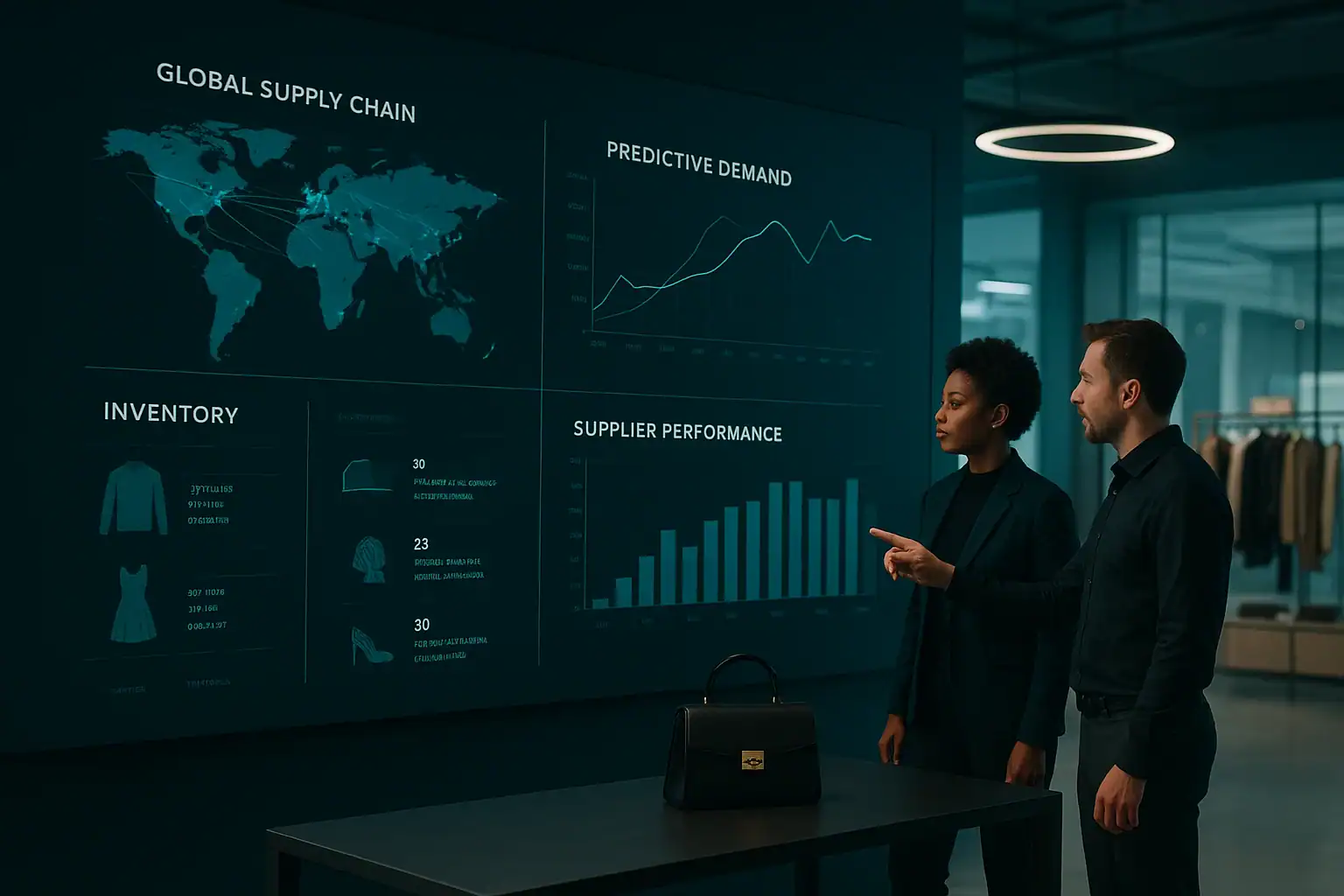
Global supply chains are prone to delays, and a lack of real time visibility means retailers often react to disruptions too late.
When inventory data is fragmented across e-commerce platforms, point of sale systems, and warehouses, it’s impossible to get an accurate, unified view of stock levels.
Turn inventory risk into your greatest asset
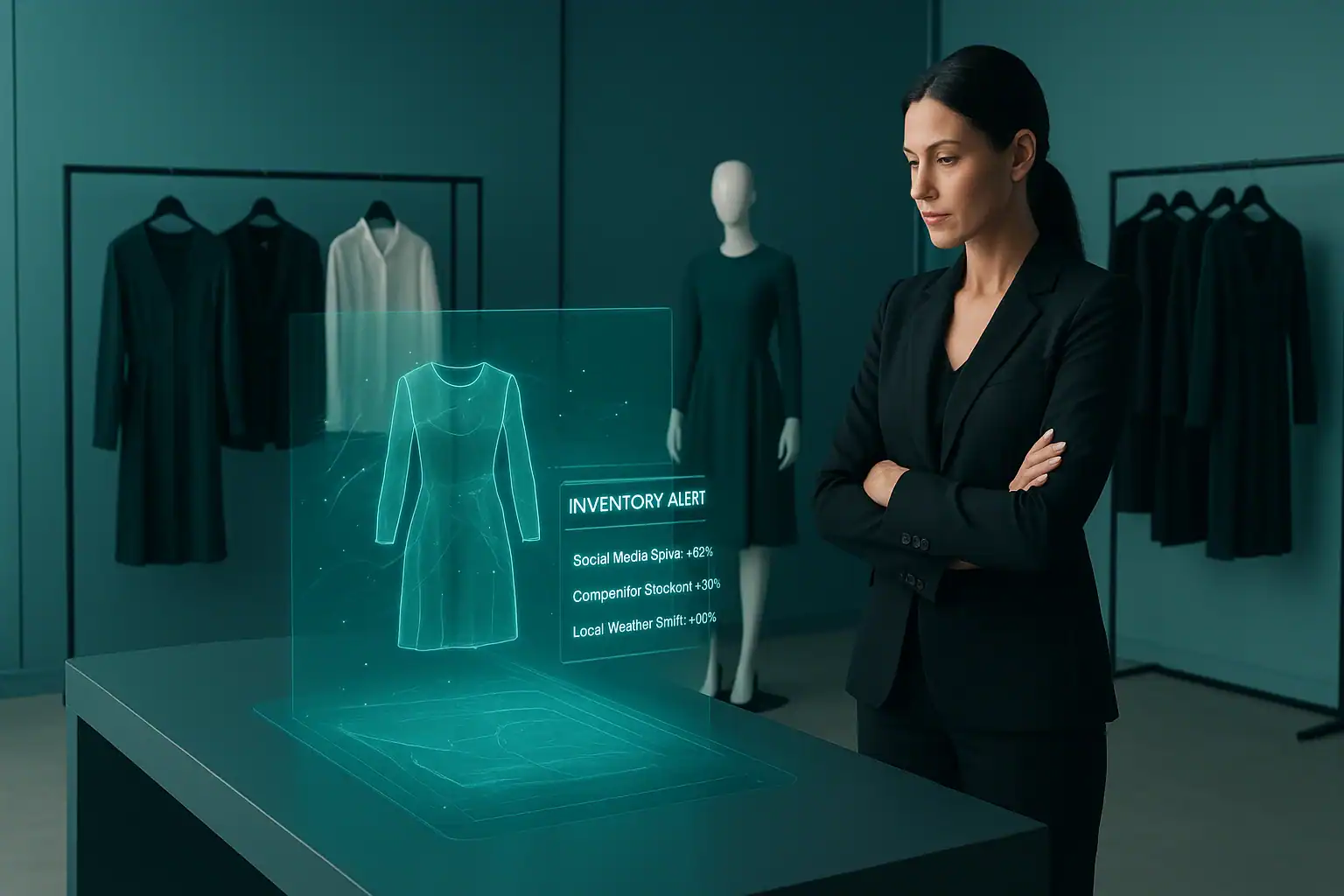
Effectively managing inventory is no longer about simply avoiding losses, it’s about building a resilient, agile, and profitable retail operation. The key is shifting from a reactive to a proactive approach powered by intelligent technology. Agentic AI systems can analyze vast datasets, including sales history, weather patterns, demographics, and real time trends, to dramatically improve forecast accuracy.
AI tools have been shown to cut forecasting errors by 20% to 50%, a game changing improvement for fashion retailers. By leveraging AI for demand forecasting in fashion, you can align your inventory precisely with what your customers want, when they want it. This not only prevents the multifaceted costs of understocking but also unlocks new opportunities for growth. An optimized inventory strategy powered by AI transforms a major cost center into a powerful engine for profitability and customer satisfaction. Ready to discuss how to turn inventory risk into your greatest asset with AI? Schedule a meeting with our experts.
Frequently asked questions
Q: Isn’t overstocking a bigger problem than understocking?
A: Both present significant challenges, but they are two sides of the same coin: inaccurate inventory management. While overstocking ties up capital and leads to markdowns, understocking directly results in lost sales and customer churn, which can have a more severe long term impact on brand loyalty and revenue. An effective strategy aims to minimize both.
Q: How can I calculate the true cost of understock for my business?
A: A basic formula is: (Number of days out of stock) x (Average daily units sold) x (Price per unit) = Lost Revenue. However, a true calculation should also factor in lost customer lifetime value, increased operational costs from expedited shipping, and the impact on brand reputation.
Q: What is the first step to preventing understock?
A: The first step is gaining real time, accurate visibility into your inventory across all channels. Without a single source of truth for your stock levels, any forecasting or replenishment strategy will be built on a flawed foundation. Integrating your sales channels and warehouse data is a critical starting point.